Radical Consciousness, Colonial Tools: How the Left Addresses Harm and How It Can Do Better

In 2016, a post began circulating in Toronto social justice circles listing Black activists who were accused of harming people. One of the names on that list was a close friend of mine. I didn’t know he had been included until he finally told me, after avoiding my calls for weeks.
I had been patient with him because I assumed his grief was why he had been avoiding my calls and messages. A few months prior, his best friend had suddenly died from a brain injury. His best friend who had created peace between warring gangs in Toronto and helped rescue many at-risk youth. His best friend who he owed his life to.
When my friend said he wanted to meet to tell me something, I assumed it was about his mourning and that he needed support.
But instead he told me there were allegations of sexual assault against him. My heart sank. My instinct as a survivor of sexual assaults is always to believe survivors first. I was bracing to dump my friend because I have a hard line against sexual abusers. Then he said a woman he didn’t know, I’ll call her Autumn-Rain, was making accusations and circulating his name alongside others on a list.
The moment he said her name, I shifted.
“Oh. I believe you.” I said.
He was shocked. I told him I knew who she was. I had watched her online attacking Black activists viciously, while using her own Blackness as a shield to get away with it. The fact that a Black Lives Matter organizer was on the list she was circulating made me immediately suspicious that something else was going on: she was likely a psyop.
Psyop is short for psychological operation: it refers to a secret agent from an intelligence program used to manipulate perception inside a movement in order to destabilize it.
Black Lives Matter Toronto had that summer halted the Pride Parade to demand that police be removed from it. Their argument was that policing is a racist institution, and that having police march in Pride, a movement that began as a riot against police brutality at Stonewall Riots, contradicted everything Pride originally stood for.
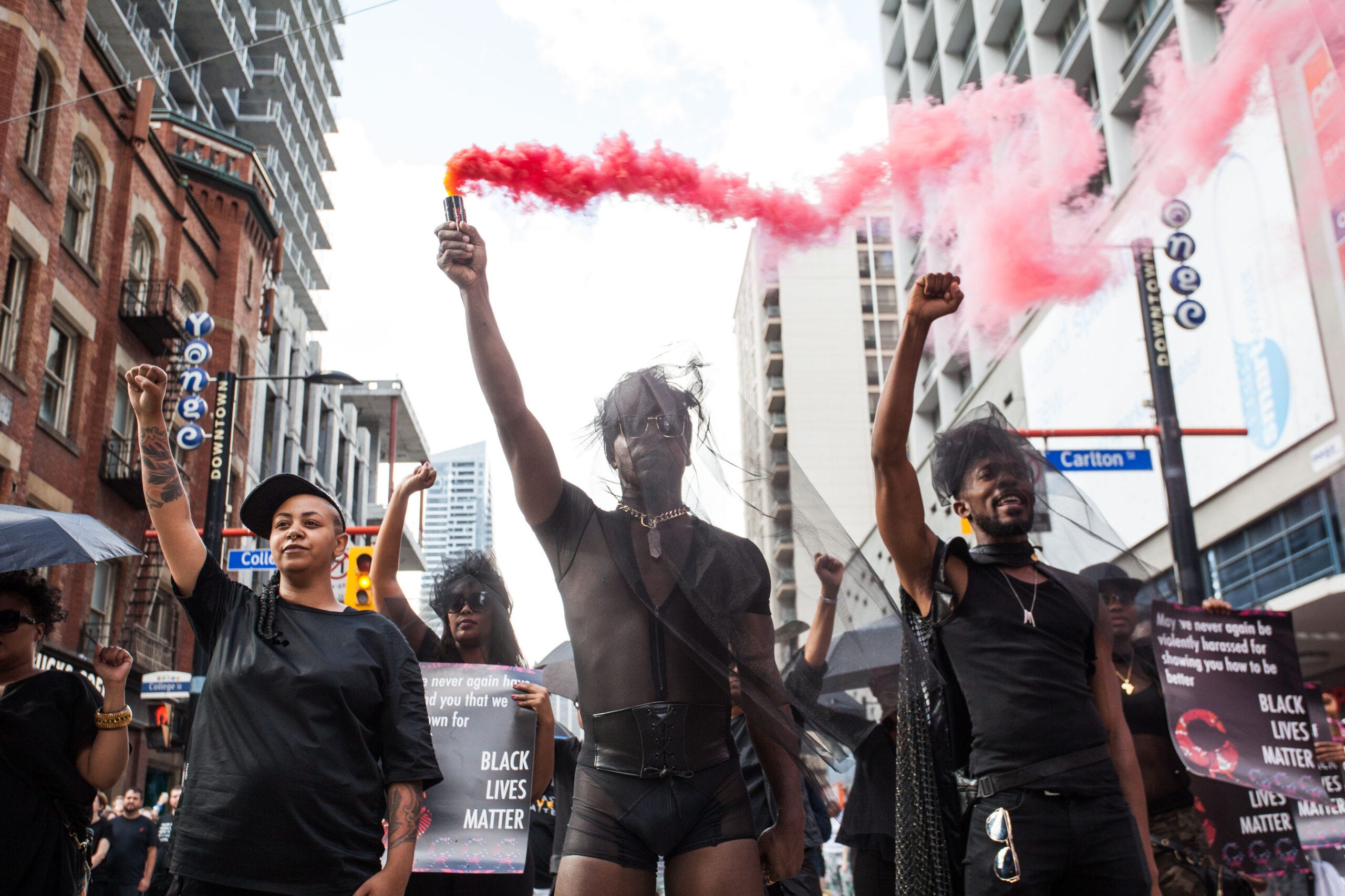
Autumn-Rain’s list of Black harm-doers looked like an attempt to create grounds to get a BLM activist arrested, or at the very least publicly smeared, in order to discredit or stall BLM’s activism. Targeting BLM directly would have looked suspicious, which is why the list included a wide range of Black people instead. Thus allowing Autumn-Rain to frame it as simply trying to protect the Black community.
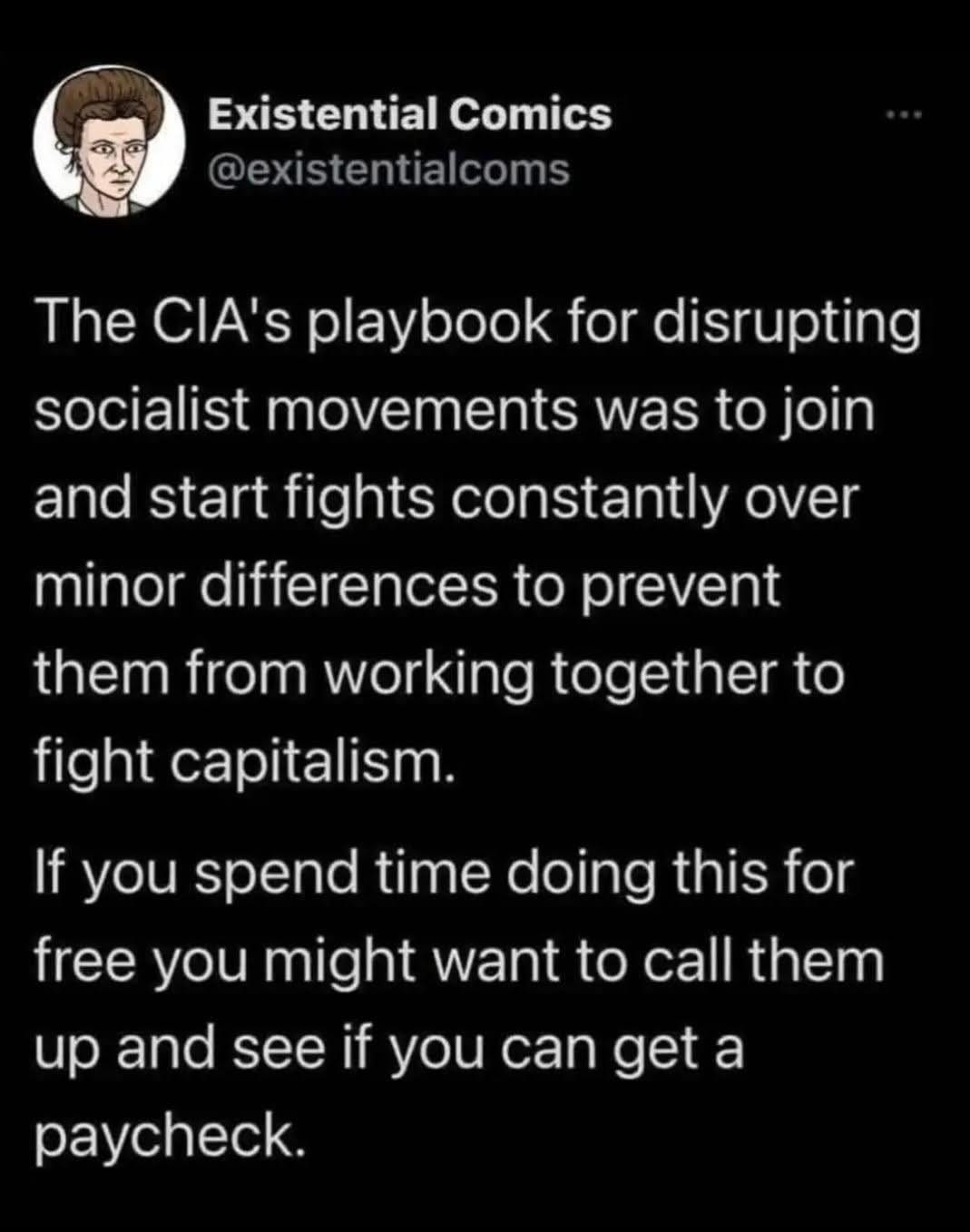
This kind of tactic has a long history. In the West it became widely known through programs like COINTELPRO, where Black infiltrators were placed inside Black liberation organizations such as the Black Panther Party and the Nation of Islam. These informants and collaborators’ role was to create distrust and escalate conflict. The result was lateral violence and sometimes deadly: the conditions that led to the killing of Malcolm X were shaped by infiltration and manipulation, and the state assassination of Fred Hampton was due to a Black informant. The movie Judas and the Black Messiah is from the informant’s POV.

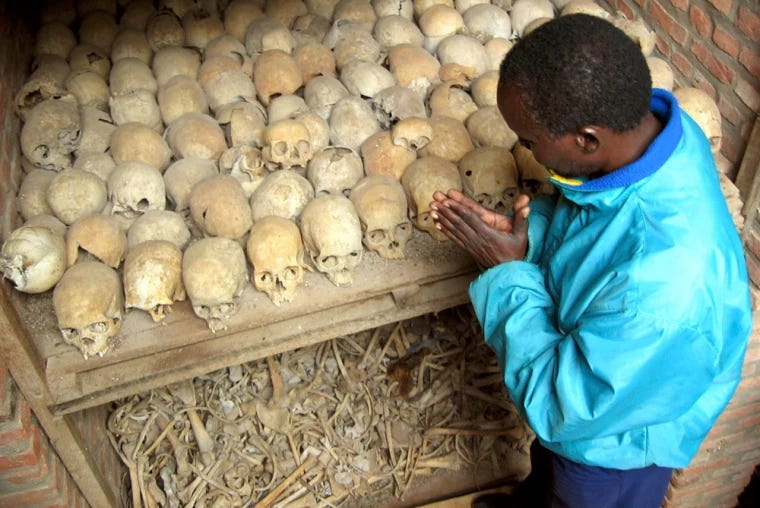
In Africa we have a much older name for this strategy: divide and rule. Colonial administrations routinely elevated certain Africans, positioned them against other Africans, or exploited existing tensions between groups in order to govern through fragmentation. A well-known example is how Belgium institutionalized ethnic divisions in Rwanda, privileging Tutsis against the Hutu tribe. A colonial policy dynamics that led to the 1994 Rwandan genocide.
It is one of the oldest tools of white supremacy: weaponize Black grievances, divide people, encourage them to turn on each other, and the system barely has to intervene. Today, divide and rule doesn’t require months or years of infiltration or elaborate setups to neutralize a perceived threat to the system. Sometimes all it takes is one person publicly calling out an activist and the same damage can unfold.
Divide and rule online works because many people don’t recognize the pattern, most communities still don’t know how to responsibly process allegations of harm, and because the algorithm rewards conflict.
Social media is structured to amplify whatever keeps people engaged the longest. Elon Musk recently explained X’s algorithm: posts generating large numbers of comments are pushed further in feeds. And nothing drives comments like conflict. Outrage, accusations of harm, and partisan pile-ons create the kind of engagement loops the algorithm is built to reward.
That channel for anger can also be addictive. People are carrying enormous frustration about the state of the world, economic precarity, political instability, rape culture, xenophobia but very few structures exist to meaningfully address these injustices. Online call-outs become an accessible outlet for that energy. Dragging someone publicly, or watching it, starts to function as a kind of gladiator entertainment, even when the consequences for real people and real movements are devastating. People rarely pause to check the side of the person at the center of it.
My friend was relieved that I believed him, but he said he was devastated. People who had known him for years, people who had never even met Autumn-Rain, turned their backs on him without so much as sending a text. And he lost work and money due to it. They didn’t ask questions. They didn’t seek clarification. They just cut him off. He was essentially exiled without any process, and all of this was happening while he was still in the middle of mourning his best friend. I said that the timing was probably intentional. Bad faith actors pick vulnerable moments to target people.
I also told him that people in the West don’t know how to deal with repair or confrontation. Canadian culture especially is deeply conflict-avoidant. Many people have no idea how to address harm directly, investigate claims carefully, or recognize when something might be a smear. He was lucky I had seen Autumn-Rain’s behavior before and had one nasty interaction online with her myself, but others probably hadn’t. Not everyone is chronically online in social justice circles the way some of us are. Nor do they have training on how to address harm in community.
My approach to addressing harm and practicing accountability comes from decolonial community relations. It draws from the traditions of my African Indigenous communities and from over twenty years of experience as an activist and community organizer.
Indigenous communities generally address harm very differently from modern Western culture. For one it’s not shamed based. My Kenyan tribes are the Kikuyu and the Kalenjin, both agrarian societies that are deeply relational, where disputes have traditionally been handled through extensive dialogue between the parties involved, with the community participating and a strong emphasis on reconciliation. My other ancestral communities are the Dorobo, who are hunter-gatherers, and the Maasai, who are nomadic warriors. Both of these tribes place great value on dialogue and the role of elders in resolving conflict, though in cases of extreme harm, such as murder, justice has historically involved forms of restitution, like blood compensation, to restore balance between families.
Growing up in Kenya meant growing up in community. We knew our neighbors, constantly participated in mutual aid because we don’t have a reliable government, and issues were usually addressed directly. That was both good and bad. Kenyans are generally mild-tempered, but because traditions like blood tribute exist, conflicts involving serious harm can escalate very quickly. You never want to hear a Kenyan say “You will see me”. I personally value the openness of being able to discuss things directly and the warmth of communal life. But the extremes of that system especially in the north of Kenya have lead to vicious cycles of revenge.
But even in the capital city, Nairobi, village community ethics can be overridden by the desire for immediate anger relief. Kenya has massive economic inequality due to corruption, and I have seen how rage about real injustice can be channeled disproportionately. When I was six years old, I witnessed a man being lynched because he had stolen a skateboard. Our maid took part in it while my parents were not home.
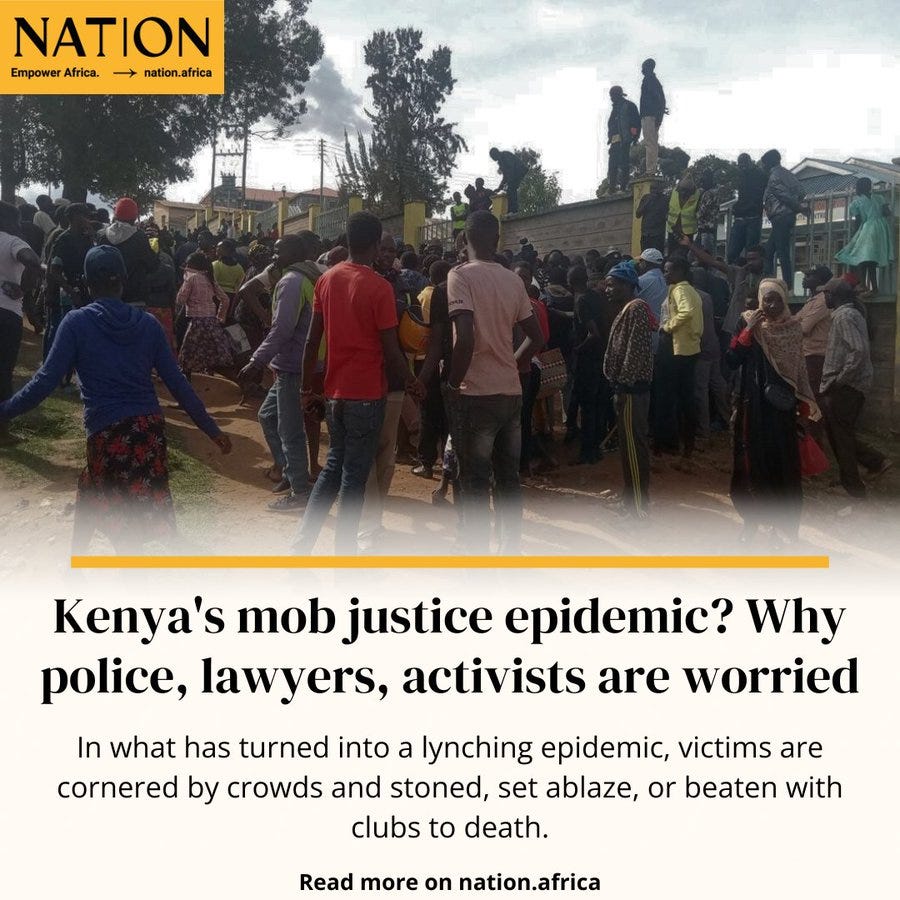
I am reminded of that when I watch how scapegoats are used online. There are real grievances in the world, but people when overwhelmed and feeling powerless respond in wildly disproportionate ways to folks they can access, turning that anger into digital lynching.
I moved to the Netherlands in my teens, and the Dutch have a very direct communication culture. The Dutch are blunt and forward; they enjoy debate, and very few topics are considered taboo. That environment definitely shaped my own approach to dialogue and communication. I much prefer Dutch directness to the passive-aggressive communication style of Anglophone cultures (USA, UK, Canada, New Zealand) who struggle to engage with perspectives different from their own.
I have organized for many years, working to build healthy in-person communities. One of the most important experiences for learning how to address harm in constructive ways came when I was the executive director of a drop-in center, which is a community space where people could come during the day for support, harm reduction services, and two warm meals a day. It was there that I received training in de-escalation and what was then called restorative justice and today is now called transformative justice.
These were skills I had to put into practice daily. The people who came to the drop-in centre were mostly street-involved, many struggling with drug addiction, histories of extreme violence at home, or the effects of colonial violence, as many were Indigenous. Many had been incarcerated.
Conflict and violence would often break out, and it was my job responsibility to de-escalate those situations. Calling the police was avoided because the police are embedded in a punitive carceral system built to maintain existing power relations, enforce racial hierarchies, and safeguard property and wealth above all else.
The people we served, poor folks, Indigenous, Black, queer, sex workers, people who use drugs, disabled people, refugees, and so many others were precisely the communities the system targets most aggressively. Creating real safety meant addressing harm without replicating colonial violence or feeding the same carceral machine that already brutalizes and disappears the very people we were trying to protect.
Street-involved people, especially those who have experienced extreme violence at home, are also highly sensitive to power over approaches. Many had spent their lives being controlled, punished, or dismissed by their families and institutions.
Before working at the drop-in centre, I had read In the Realm of Hungry Ghosts, where Gabor Maté writes that the vast majority of people struggling with severe substance use will not simply change through pressure or punishment. But the small number who do change often do so because they experience environments of love, dignity, and belonging.
So with that in mind, I approached harm with love in mind. I didn’t begin with judgment or reprimands, those approaches would immediately trigger people’s past experiences of control and punishment. Instead, I often began with genuine curiosity.
My goal was never to fix anyone. I knew I didn’t have that power. What I could do was create space where people could express themselves, where dialogue could happen, and where people who were normally ignored or unheard could actually be listened to. Sometimes the most I could achieve was begrudging tolerance between people who were angry with each other.
But even that mattered. When people feel seen and heard, something many of them rarely experienced in society, tensions often de-escalated dramatically. If we can hear each other and recognize each other’s humanity, that is the first step toward being able to live in peace with one another.
A year after I began working at the drop-in centre, I started the forerunner to Decolonizing Love: the Toronto Non-Monogamous BIPOC. It emerged in response to the racism in Toronto’s mainstream polyamory spaces, which were overwhelmingly white and often alienating for people of color. The group quickly became very active online, and we organized monthly in person meetups and workshops.
Conflicts however happened which is inevitable in any community. I approached those moments using the restorative practices I had learned at the drop-in centre. The last thing I wanted was to replicate the avoidant, passive-aggressive culture we had experienced in mainstream white majority poly spaces. In situations where harm was done to a racialized person, a white moderator would invoke their disability, such as anxiety, or their queerness as a reason not to address the issue.
My goal was to build a community where difficult conversations could happen openly, and where conflicts between people could be addressed quickly and humanely. I wanted immigrants and people who were politically unsophisticated to feel they could speak without being scolded by university-educated social justice warriors. My aim was to create a space where people felt safe to be themselves and learn, while also ensuring victims were protected. Holding both of those commitments is not an easy balance. Over the course of six months collectively we also developed a set of safe-space guidelines. That process was as important as the guidelines themselves. Communities function best when the norms that shape them are created together rather than imposed from above.
I left social justice work in 2019 to pursue a career in film. After years in activism, I was deeply burned out and wanted to focus on my creative projects instead. I was also done with sacrificing financial stability “for the cause.”
COVID-19 lockdowns pushed me back online. In 2021, I started Decolonizing Love, this time trying to bridge my background in activism with creative work. But returning to social justice spaces made me realize that the toxic call-out culture I had seen harm my friend years earlier had not faded. It had continued to mutate. Part of the problem, I think, is that we have not consistently passed on the best practices for addressing harm with nuance and care. Veteran activists like me share responsibility for that gap. I have been so focused on world-building using new paradigms that I forgot to pass down the recipes that were once passed down to me, particularly to the youth.
This really came into focus for me this past week. I started seeing posts in my feed from Black folks saying that Amanda Seales was “problematic,” “snooty,” or that she blocks people. My eyebrows always go up when I see slander directed at a Black radical for reasons I mentioned earlier.

Then I saw person after person claiming that Black-American Dr Stacey Patton is transphobic and anti-Black.
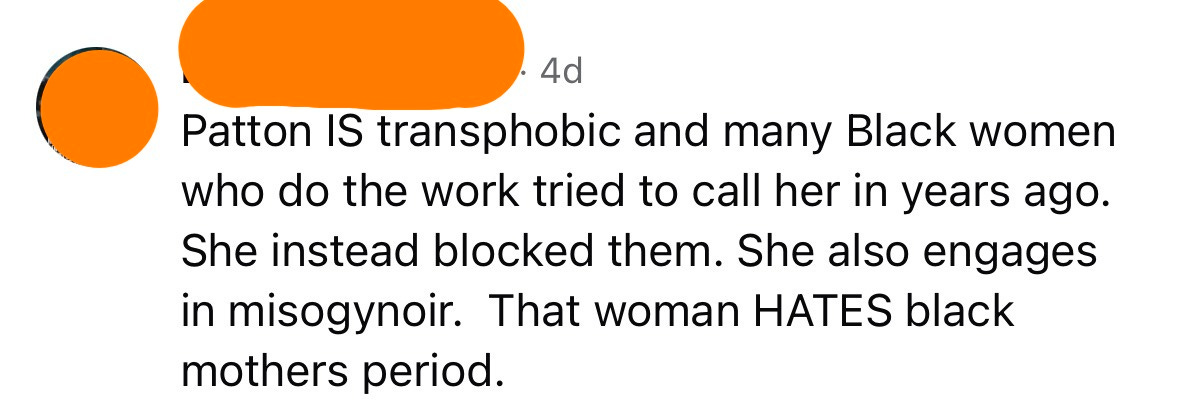
Patton is about to release a book about the lynching of Black children, so it’s striking to see old accusations, ones that have already been addressed, circulating again right at this moment. In these Epstein files times when people are tracing patterns of elite pedophilia over time.
I’ve experienced similar slander myself as Dr Stacey Patton. I largely brushed it off and in fact made fun of it. These are some memes I posted on my page at the height of the smear campaign.
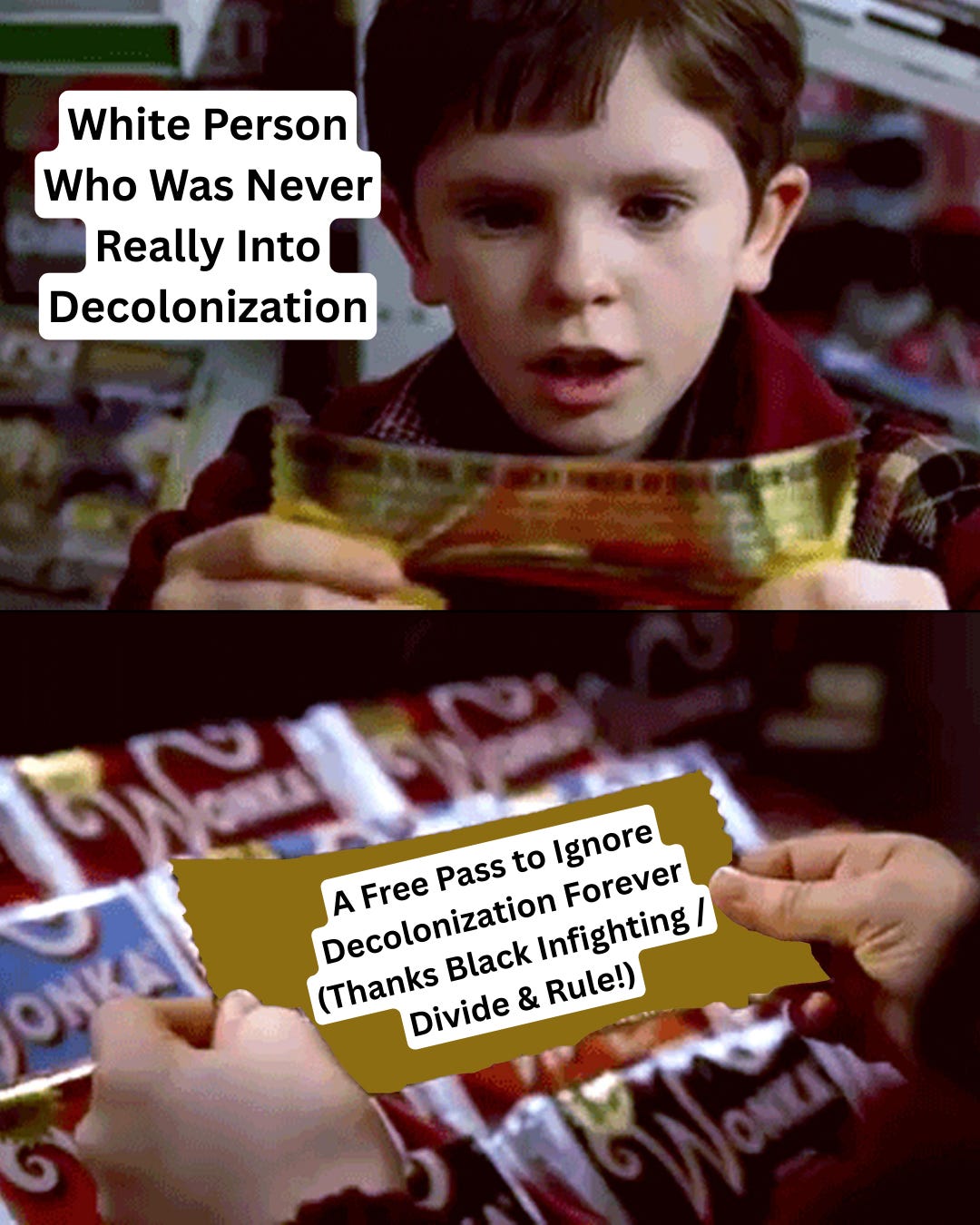
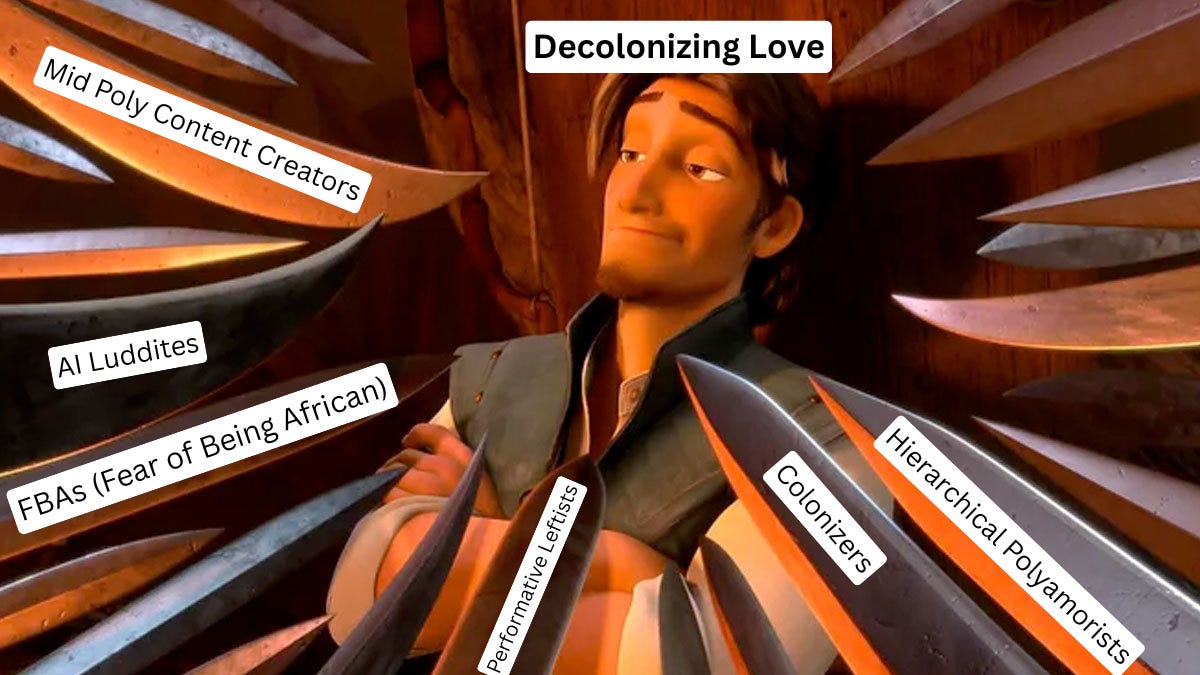
I understood the game and the ignorance was hilarious. For example my detractors said they had called me in but call-ins cannot happen on the internet. They can only happen in person by someone’s close circle. People were misusing language and accountability frameworks they did not fully understand, sometimes in bad faith. To be honest, I had long expected that a smear campaign would eventually come my way because that’s inevitable when you’re a radical activist. For years I joked that since no one was attacking me, maybe my work wasn’t threatening to the system, which is quite sad. Glad it finally was.
Ironically, during the smear campaign against me—where I was labeled among a slew of things a Zionist and transphobe—I ended up supporting a trans Palestinian moderator who reached out for help responding to a toxic call-out targeting a Black trans content creator. When I asked what restorative process their group had in place, they told me they didn’t have one. Many of the previous organizers had stepped away during COVID, and the knowledge of how to address harm simply hadn’t been passed down. This phenomenon of community knowledge not being passed down from one generation of organizers to the next is happening everywhere, including in university clubs, activist groups, and after-school programs that have been cut due to funding.
The success of social justice movements has given us something remarkable: a generation of highly conscious leftists. But consciousness without the skills to build community is reckless. We gave people the analysis without the tools. We handed them a radical framework and no training in how to use it without causing harm.
The result is leftist spaces that are often more punitive than liberating, where people are more afraid of each other than of the systems we’re supposedly fighting.
We cannot afford this. Not now. Not in a time of rising fascism, when the stakes are high. We need movements that can hold complexity, sustain relationships, keep people in the struggle and invite more in, not chew them up and spit them out.
Radical consciousness is not enough. We need to match it with radical tools.
Here is my attempt to pass some of those tools on:
Lead with Love
Everyone should read All About Love by bell hooks. Too many people simply do not know how to love, and love is central to how we relate to one another. Ironically, not even many of her fans follow bell hooks’ praxis, as I witnessed firsthand.
I was fortunate to see her speak in person before she passed, when she came to my alma mater, York University. The auditorium was packed, mostly with Black women. During the Q&A, a Black man stood up. He was a recent Jamaican immigrant, and he described how alienating it felt to move from a place where Black people were in power to a Canadian university where Black men were rare and most Black student spaces were dominated by women. He admitted that he sometimes felt sidelined because he was a cis man.
The audience booed him.
The sentiment was how dare he center himself as a man in a feminist space?
bell hooks was furious. She scolded the crowd, and they didn’t like that either. Within days, I saw posts online calling her problematic. “Cancel bell hooks.” Some cited her criticism of Beyoncé as evidence of her offenses.
A few months earlier, bell hooks had called Beyoncé a terrorist. I don’t agree with her on that. I love Beyoncé. Formation lives rent-free in my head. But she has a right to her critique. Watching people call for the cancellation of bell hooks, over this, was the moment I realized the left had truly lost the plot.
I used to love cancel culture. In college, I took part in campaigns against racists: calling their workplaces, getting them fired. But somewhere along the way, something shifted. We went from cancelling racists to booing bell hooks for making space for a Black man’s pain. From holding real power accountable to policing who is allowed to speak in a room.
This is the tragic arc of identity politics. What began as a powerful framework for understanding the specificity of oppression has become an instrument for enforcing emotional purity. It is no so much about liberation anymore and about avoiding discomfort. And puritan politics is as colonial as it gets.
bell hooks defined love as an active ethic of care. Without it, movements for justice risk reproducing the very domination they set out to dismantle, becoming vehicles for moral superiority and performative purity rather than transformation. As she wrote, all great movements for social justice have emphasized a love ethic.
bell hooks insisted that love cannot coexist with domination. Colonial culture is fundamentally a domination culture: it seizes land and people against their will, places its values above yours, and demands you change for it. So if you believe you can force someone to become what you want them to be, pause. Ask yourself whether what you are practicing is love or domination? Love invites reflection and growth, but it does not coerce transformation. Believe that people can change, but understand that it is not your job to force that change. People rarely change because someone demanded it of them. More often, they change when they come to that realization themselves.
Be Strategic in Which Options You Choose
None of this is an argument against addressing harm, far from it. In cases of verified sexual assault, domestic violence, or serious abuse, escalation is often not only justified but necessary, whether through formal reporting, legal intervention, community protection, or public exposure to prevent further harm. The distinction isn’t whether to act, but what we reach for first, and how thoughtfully we escalate.
Have we genuinely tried the less adversarial avenues, a private conversation, direct feedback, mediation, reaching out to someone’s close community, before going straight to public shaming or permanent exclusion?
In her book Calling In: How to Start Making Change with Those You’d Rather Cancel, Loretta Ross urges a more strategic, compassionate approach to disagreements and harm. She advocates assessing situations thoughtfully rather than reacting impulsively.
Ross introduces the 5Cs continuum, a spectrum of accountability responses:
Calling on — publicly inviting someone to step forward, clarify, or take responsibility for something they said or did that caused harm.
Calling in — creating dialogue through close friends, family, elders, transformative justice mediators, or in-person community. Not strangers on the internet. The goal is understanding and change, not condemnation.
Calling out — publicly naming harm or wrongdoing, with the intent of social accountability and consequences.
Canceling — publicly rejecting, boycotting, or socially excluding someone after they’ve been accused of harmful behavior.
Calling it off — halting an ongoing call-out or pile-on once the harm has been named and the concern raised. A recognition that further escalation, dogpiling, or reputational destruction has stopped being accountability and started being cruelty.
Each has its place. But Ross's critique, and mine, is the reflexive overreliance on calling out and canceling in progressive spaces. It alienates potential allies, deepens divisions, and mistakes performative purity for transformative justice. Sustainable movements are built on connection. You cannot shame people into liberation.
Shame is Part of Colonialism’s Toolbox
Homo sapiens are unique among primates for experiencing shame. This emotional capacity plays a crucial role in enforcing norms and fostering group cohesion, as it motivates individuals to conform, repair social bonds, and avoid ostracism in cooperative societies. However not all shame is alike.
Australian criminologist, John Braithwaite, helps us understand this. His framework on shame has been widely adopted, including by decolonial thinkers. Braithwaite shows how shame can be used in two fundamentally different ways. One he called reintegrative shaming. That’s the kind that wraps its arms around you after you’ve stumbled. It says, “You did wrong, yes, but come on back home now. We gon’ fix this thing together.” It’s shame that wants you whole again, that wants the circle mended, that believes in return.
In some African communities, when someone does something harmful, the village gathers around the person and reminds them of their good qualities. The purpose is to call them back to themselves, to the loving person they are capable of being if they have lost their way from their heart.
I have an in-law who is very Maple MAGA. One Christmas, instead of scolding him for his beliefs, I simply said, “You were one of the first people in the family to welcome me. It’s hard to reconcile the man who showed me that kindness with the hate I hear from you now.” The next time I saw him, he didn’t say anything hateful.
There is disintegrative shaming, or stigmatization, where the goal is punishment, exile, and a permanent “bad person” status. Those two forms don’t just feel different emotionally. They land differently in the body. They shape community differently. And they serve power differently.
Colonial culture practice disintegrative shaming. That’s because Colonial patriarchy can’t afford reintegrative accountability as the dominant norm. Reintegration demands too much: it asks for mutual care, for shared burdens, for the patient mapping of context, for the stubborn recognition of someone else’s full humanity. Empire cannot survive such conditions. What empire requires is fear that stays in the body, hierarchy that feels natural, and the easy classification of certain lives as disposable. So shame was engineered into a weapon: public stripping away of dignity, moral branding that echoes for generations, banishment that leaves no return address, prisons built of both stone and silence, and identities branded so deeply they appear to be one’s own skin.
Call-out culture is a form of disintegrative shaming and when directed at individuals, it tends to harden identities rather than change behavior. Public humiliation rarely produces growth. It produces defensiveness, resentment, and retreat.
That doesn’t mean call-outs have no place. Corporations, governments, boards, and institutions of power often ignore harm until there is visible, sustained public pressure. They are not moved by private conversations or appeals to conscience. Structural power requires structural confrontation.
Interpersonal harm, on the other hand, almost always requires relational repair, the kind that cannot happen in a comment section. The tools are different because the problems are different. Directing the full force of public shaming at an individual who hurt someone is not justice. It’s a cannon aimed at a person when what the situation called for was a conversation.
How to Call Someone In
If you have a real relationship with someone: a friend (not just online), a family member, or someone in your in-person community, reach out to them directly. Pick up the phone. Better yet, speak face to face. And if you don’t have that kind of access, try to find someone who does and ask them to reach out on your behalf.
When you address harm, approach it with curiosity rather than a verdict. The goal is to understand what happened and give the person a genuine opportunity to respond. It is not about extracting a confession. If you have already decided who they are before the conversation even begins, then you are not calling someone in, you are staging a trial.
It also has to be voluntary. This cannot be overstated. If someone has no real choice but to comply, then what you are running is not an accountability process, it is coercion. Choice is central to consent, and without consent there is no accountability, only submission. A person who apologizes under social pressure has not necessarily changed; they may simply be performing contrition so the public shaming stops.
And that does not lead to meaningful change. Real accountability happens when someone genuinely reflects on their values, recognizes where they fell short, and makes an internal commitment to do differently. It is self-directed. It cannot be forced. Accountability cannot be forced. The moment it becomes about satisfying an audience rather than honest self-examination, it has already failed.
This is why creating a safe space so someone can feel no pressure is crucial to calling someone in. Repair requires space where people can reflect rather than react.
Calling someone in should be done off public platforms. The internet is not the place for this kind of work. Bad-faith actors will distort it, context will be stripped, pile-ons will hijack the process, and any genuine chance at repair will be buried.
And if they don’t accept your call-in, if they refuse, deflect, or go quiet, that is painful. It may even confirm the harm. But their refusal is not yours to punish publicly. Especially if you are not the harmed party. The only person with standing to decide what comes next is the one who was actually hurt. To escalate on someone else’s behalf is not solidarity. It’s parasocial entitlement. Let the harmed party escalate, not you.
Calling someone in requires patience and a real belief in people’s capacity to grow. I have had people come back years later and tell me they changed because I spoke honestly with them without judgment. That space, where someone can reflect without being immediately condemned, can sometimes be the very thing that allows a person to lower their defenses and truly reconsider their actions.
Distinguish Conflict From Harm, and Discomfort From Violence
Not every disagreement is abuse, not every misstep is a violation, and not every badly worded comment requires public denunciation. People will have perspectives different from yours, and difference of opinion is not the same as harm. When we begin demanding ideological conformity from everyone around us, we start reproducing the very colonial instinct that insists there is only one acceptable way to think.
Many Indigenous traditions made space for debate, eccentricity, and even what some might call “madness,” because they believed we are here to self-actualize, individuality was sacred and ideas sharpen through dialogue.
Among the Nuer of Sudan, there is even a tradition of turning to unconventional thinkers in times of crisis, because when established ways have failed, sometimes the maverick idea is the one that opens a path forward. By contrast, Western supremacy culture tends toward rigid binaries, good or bad, right or wrong, with little tolerance for perspectives that stray from the norm. When we try to force everyone into one acceptable line of thinking, we are often replicating that same colonial logic.
If we begin calling all disagreement harm and all harm abuse, we lose the ability to think clearly and respond proportionately.
Conflict is inevitable in community.
Discomfort is part of growth.
Debate is essential for intellectual development.
Anti-intellectualism weakens movements because it discourages critical thinking, and the testing of ideas. When people are afraid to question, challenge assumptions, or explore complexity, movements become rigid and shallow.
Strong movements depend on analysis: understanding power, strategy, history, and unintended consequences. Intellectual engagement allows people to refine ideas, correct mistakes, and develop better tactics. Without that culture of inquiry, movements drift toward group conformity instead of thoughtful strategy.
In the long run, anti-intellectualism also drives away thinkers, organizers, and people who are trying to deepen the work.
So before you call something harmful it is worth pausing to ask whether what you are feeling might instead be discomfort, and whether that discomfort might have something to teach you. Learn to sit in discomfort.
Notice Who Gets Targeted and Ask Why
Public pile-ons disproportionately land on radicals, organizers, outspoken women, Black people, queers and Indigenous people doing visible work.
It’s digital lynching.
The people most likely to be publicly dissected are often not those with the greatest power, but those closest to us and easiest to punish. That pattern should trouble us deeply. We must ask whether we are confronting power or simply disciplining imperfect, visible people within our own ranks.
Smear Campaigns Are Not Accountability
Digging up someone’s past to weaponize it is not accountability, it is reputational warfare.
There is a meaningful difference between identifying a real pattern of harm and trawling through someone’s history for ammunition.
When old posts, missteps, or relationships are circulated without context or regard for growth, the goal is not justice. It is destruction.
We should learn from each other rather than create a bullying culture because we're tired of being bullied.
Do Not Dogpile, Harass, or Join Coordinated Pile-Ons.
Not in comments, DM groups, Discord threads, or anywhere people organize ridicule, pressure campaigns, or public humiliation.
Circulating negative posts about someone for the purpose of coordinated harassment is wrong, regardless of what they did.
Serious, documented harm should be addressed through appropriate channels whether that means legal reporting or community-based processes in real life, not through online mobs.
Once critique becomes a spectacle, mobbing, or coercion, it has left the realm of justice. You do not build a liberatory culture by normalizing online bullying.
If someone slides into your DMs asking you to pile on, or tries to recruit you into a smear, you are allowed to say no. You can simply tell them: this isn't how I address harm. If there's a real concern, it belongs with the people closest to the situation, not in a coordinated online campaign.
Use Politically Charged Language With Precision
Terms like racism, transphobia, Zionism, sexual assault, and abuser name real and serious structures of harm, which is exactly why they must be used with precision. When applied loosely, or deployed as rhetorical weapons in interpersonal conflict, their meaning gets blunted. Overuse erodes the trust movements depend on, and worse, it makes it harder to identify people who are genuinely committed to harm versus those who misunderstood, misspoke, or simply made a mistake. Those are not the same thing, and treating them as such is its own form of injustice.
These terms also carry intense emotional charge, triggering outrage and high-arousal reactions that social media algorithms actively reward with reach and engagement. The platforms profit from inflammatory language. That’s the game. And bad-faith actors on opposing sides know it too: they deliberately weaponize these same words, twisting accusations of harm into smears, false equivalences, and deflection tactics designed to discredit legitimate critique, sow division, and paint progressive spaces as hypocritical and punitive.
If you cry wolf too many times, when the real predator comes no one will believe you.
Be Proportional
Not all harm is equal, and not all responses should be equal. If a marginalized person says something harmful, that may warrant critique, conversation, boundary-setting, or repair. But if your energy toward them becomes more intense, obsessive, and punitive than your energy toward fascists, colonizers, corporations, carceral systems etc then something has gone very wrong. Either they have become a scapegoat for wounds elsewhere in your life, or the hostility you hold toward their identity is revealing itself.
The target is power. Fascism is the target. Structural domination is the target.
Focus.
A liberation movement loses its way when its harshest criticism is directed at other progressives rather than the systems it claims to oppose.
Verify Before You Amplify
Do not repeat allegations because they feel plausible or politically convenient
Read someone’s full post, not a clipped screenshot, listen to the whole talk, not the quote-mined fragment. Listen to the other side genuinely.
Be transparent about how far removed you are from the situation and what you actually know. Integrity requires epistemic humility, not secondhand certainty.
Survivors have the right to speak. But don’t be an opportunist and weaponize their story. That’s virtue signaling.
Allegations Are Often How They Cut Off the Money
Familiar state tactics, like accusations of financial impropriety against Black and Indigenous liberation movements, do not need to be true to cause damage.
They only need to make people hesitate, doubt, and pull away, and they are often designed to financially disenfranchise BIPOC organizers, women, and movements by cutting off funding, income, and community support. This is financial terrorism, and it is deliberate.
I have seen many organizations that were growing lose all their funding because of a smear campaign, and that was often the point. That experience is one of the reasons I am strongly opposed to call-outs directed at individual progressives unless it involves verified acts of serious violence such as rape or murder. And even then, my instinct is to pursue other routes first, such as legal processes or working through trusted community organizers. A call out of one organization can effect tangent organizations doing similar work that are innocent. All funders see is that this field is messy.
If They Have Grown, You Need To Grow Too
If a person has learned, changed, apologized, and changed their behavior, a healthy community should make room for that. At the same time, the people who were directly harmed are the only ones who get to decide whether or not they accept that repair.
If a person has changed but you continue to define and reduce them to their worst moment, that isn’t justice, it’s carceral logic. Treating people as irredeemable after they have changed does not build safer communities; it builds cultures of fear, performance, and concealment.
Hold Boundaries Without Dehumanizing Someone
You are allowed to personally block, mute, unfollow, or remove someone from your space. Boundaries are necessary. But boundaries do not require mockery, cruelty, gossip, or campaigns of dehumanization.
Be careful sharing allegations that trigger panic, especially familiar state tactics such as accusations of financial impropriety against Black and Indigenous liberation movements. They do not need to be true to do damage.
Choosing not to amplify negative posts is an act of solidarity with the movement, which is bigger than any single individual.
Get Offline
Everyone wants a village, but no one wants to be a villager.
One reason accountability becomes so distorted online is that not seeing each other makes it easier to dehumanize one another. Anonymity lowers the social cost of cruelty. It is much harder to mob someone you have to face weekly.
We need movements that can hold complexity, tolerate disagreement, repair and keep people in principled struggle. That means knowing who you are organizing with, and paying attention to relationships and patterns.
Tactically organizing everything online is also just not very smart. Digital organizing is often essential , particularly for Disabled, Deaf, and Mad communities for whom online space is not a preference but a necessity. But sensitive strategy should not be on platforms owned by billionaires who surveil everything and can pull the plug whenever it suits them. What happens if fascists shut the internet off?
Knowing who you are organizing with, and building real relationships over time, is basic political hygiene. Your people should know your face, your voice, your history. The hard conversations, where your full humanity can actually be present, are meant to happen in person. That is where the real work is. The internet can amplify a movement, but it cannot build a village.
When things fall apart, it’s your neighbors you will rely on. So get to know them and learn how to be in good relationship with the people around you. That means creating enough trust and mutual respect that people can show up authentically as themselves and still live together peacefully.
As transformative justice organizer Mariame Kaba says: abolition of carceral, punitive thinking isn’t mainly about tearing things down, it’s about building things up, building community.
These skills don't spread on their own. If you found something useful here, share it with someone who needs it: a young organizer, a community group, a friend who just watched a pile-on unfold and didn't know what to do. The work of building healthy communities starts with knowing how. Share it forward.