Polyamory Education
The learning path we wish we'd had: what to read, the language, the agreements, and the support for when it gets hard. Free, structured, and built from a decolonial lens by two people who live it.
Where do I start?
Nobody taught you this. So we drew you a map.
New to This?
Start here if you're curious about polyamory, non-monogamy, or decolonizing the way you love.
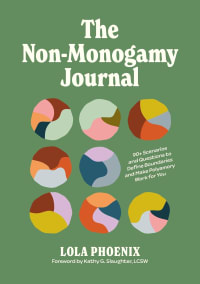
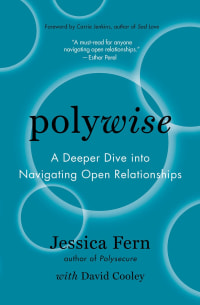
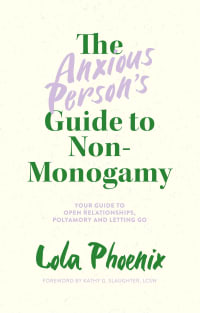
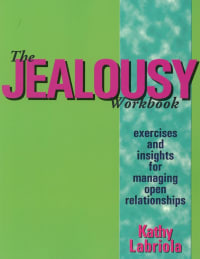
Most people arrive at non-monogamy with one urgent question: what do I do about the jealousy? So that's where we point you first. Kathy Labriola's Jealousy Workbook won't tell you to feel less. It gives you exercises to work out what the jealousy is actually about, which is usually your own fear rather than anything your partner did. Lola Phoenix's Anxious Person's Guide does the same for anxious attachment, in plain language, without pretending the feelings are silly, and their Non-Monogamy Journal hands you the prompts to write your own answers out. Once the panic quiets down, the question changes to: what are we even building? Jessica Fern's Polywise is about keeping a relationship alive through change, and Mark Michaels' Designer Relationships about designing one on purpose instead of defaulting to whatever the culture handed you. And if you mostly need proof that other people live this way and turn out fine, Jenny Yuen's Polyamorous is a journalist's honest account of doing exactly that. We put these first because they meet you where most people actually start: anxious, a little defensive, googling at 2am. None of them require you to have the vocabulary down, and you can read them in any order. Start with whichever title describes the thing keeping you up at night.
Not sure where you fall? Take our Relationship Style Quiz
Not a label, a starting point for self-knowledge. Takes 2 minutes.
Beginner Non-Monogamy Books
Our curated starter reading list, the books we actually recommend to people just getting started with ethical non-monogamy.
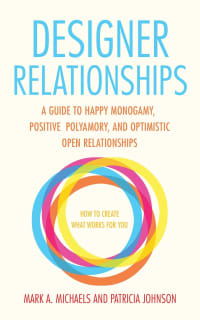
Designer Relationships
Mark A. Michaels & Patricia Johnson
An easy read, and the best one for seeing what's actually possible. Michaels and Johnson lay out the range of ways people build non-monogamous relationships without pushing one correct version, so you finish it with options instead of a rulebook.

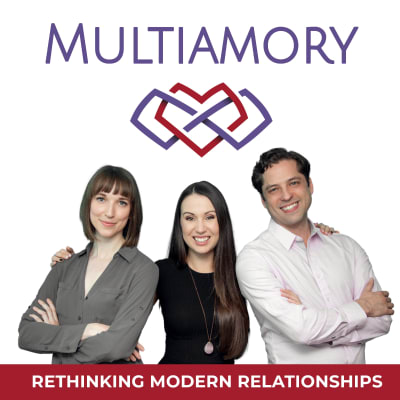
MultiamoryEp. 504
Decolonizing Love with Millie and Nick, on one of the biggest polyamory podcasts.
 Featured
MultiamoryEp. 504
Decolonizing Love with Millie and Nick, on one of the biggest polyamory podcasts.

Self-Growth NerdsEp. 134
An honest conversation about decolonizing love, unlearning possessiveness, and building relationships on your own terms.

Self-Growth NerdsEp. 134
An honest conversation about decolonizing love, unlearning possessiveness, and building relationships on your own terms.
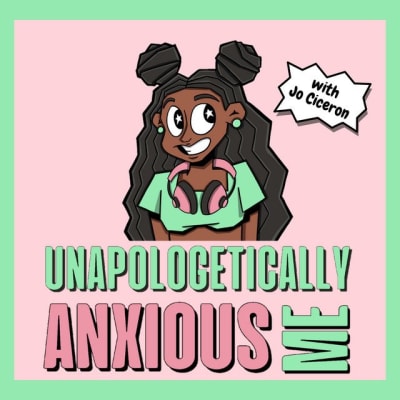
The Unapolygetic Love Podcast
A candid, accessible podcast for people exploring polyamory from a place of self-love and intentionality.
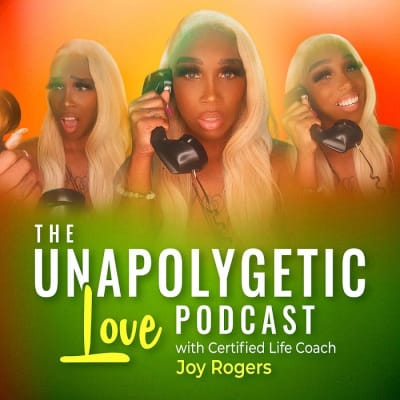
The Unapolygetic Love Podcast
A candid, accessible podcast for people exploring polyamory from a place of self-love and intentionality.
Going Deeper
You know the basics. Now interrogate the systems, race, power, desire, and colonial norms baked into how we relate.
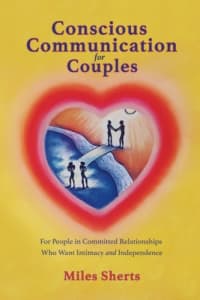
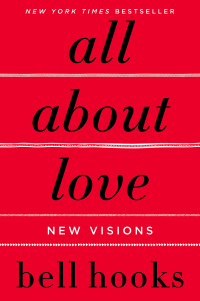
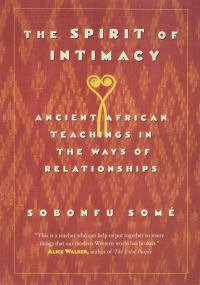
By now the mechanics aren't the problem. The harder work is two things at once: getting better at the actual conversations, and noticing where your instincts about love came from in the first place. The advanced books handle the conversations. Marshall Rosenberg's Nonviolent Communication and Miles Sherts' Conscious Communication for Couples both teach you to say what you need without turning it into an accusation. Nedra Glover Tawwab's Set Boundaries, Find Peace is the one we hand people who keep saying yes when they mean no. And Page Turner's Dealing with Difficult Metamours is for the knot polyamory adds: the person you didn't choose but now share a calendar and a life's logistics with. The decolonizing books go underneath all of it. bell hooks argues in All About Love that most of us were taught to perform love, never what it actually is. Sobonfu Somé writes about intimacy from Dagara tradition, where holding a partnership was the work of a whole community rather than two people privately solving everything alone. Graeber and Wengrow's Dawn of Everything takes apart the story that our current arrangements are natural or inevitable. And Mark Rifkin's When Did Indians Become Straight traces how colonial power rewrote kinship and desire into the shapes we now call normal. You don't graduate from Stage 1 to get here. You just get curious about why you wanted what you wanted.
Advanced Non-Monogamy Books
For readers ready to move beyond the basics and engage with the deeper political and philosophical dimensions of ethical non-monogamy.
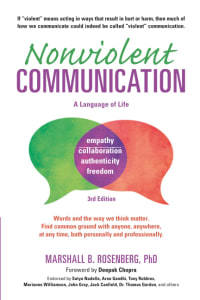
Nonviolent Communication
Marshall B. Rosenberg
The communication framework underneath half of what therapists teach. Rosenberg's four steps sound mechanical until the first time they defuse a fight you'd otherwise have had for years. Foundational, a little culty, and it genuinely works.
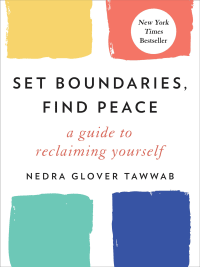
Set Boundaries, Find Peace
Nedra Glover Tawwab
A must for anyone doing boundary work, and one of the books we recommend most. Tawwab is a therapist who writes like she's done watching people shrink to keep everyone comfortable, which makes it essential for any non-monogamy quietly running on self-erasure.
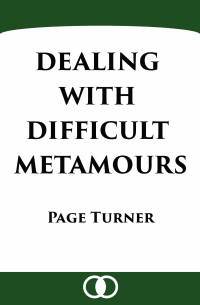
Dealing with Difficult Metamours
Page Turner
Your metamour, your partner's partner, is the relationship polyamory adds and nobody prepares you for. Turner stays practical about the real knots: shared calendars, inherited resentments, and the people you'd never have chosen but now have to negotiate with.
Decolonizing Books
Essential texts on race, colonialism, and liberation, context that transforms how we understand love, desire, and relationship structure.
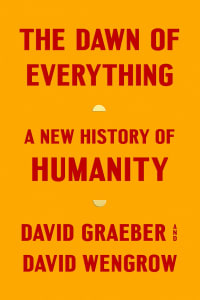
The Dawn of Everything
David Graeber & David Wengrow
Graeber and Wengrow take a wrecking ball to the story that property, hierarchy, and the private household are humanity's natural endpoint. Big, occasionally exhausting, and worth it for the permission it gives you to imagine other arrangements.
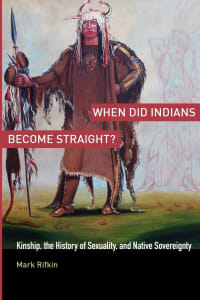
When Did Indians Become Straight
Mark Rifkin
Rifkin traces how colonization didn't only take land; it rewrote Indigenous kinship and desire into the narrow shapes settlers called normal. Dense and academic, but clarifying about how recent and how engineered our idea of "natural" love really is.
Decolonizing SexualityS1E6
An unflinching look at how colonial systems have shaped our sexuality, desire, and relationship norms, and what it means to reclaim them.
Decolonizing SexualityS1E6
An unflinching look at how colonial systems have shaped our sexuality, desire, and relationship norms, and what it means to reclaim them.
Unapologetically Anxious Me
Confessions of a Haitian girl navigating anxiety, identity, and love outside the script, raw, specific, and deeply humanizing.
Unapologetically Anxious Me
Confessions of a Haitian girl navigating anxiety, identity, and love outside the script, raw, specific, and deeply humanizing.


The Critical Polyamorist
Academic-meets-accessible writing on polyamory, power, and intersectionality from a critical theory perspective.
Polyamory Today (Medium)
A Medium publication gathering voices on non-monogamy from a range of lived experiences.
Polyamory School (Medium)
Practical, reflective essays on navigating polyamorous relationships with intention and care.
Polyamory education from a decolonial lens
Most polyamory education starts at the how: how to soothe jealousy, how to write an agreement. Ours starts one layer down, at the why. Why is one partner the default? Why does a family have a required shape at all?
Those defaults have a history. Compulsory monogamy traveled the world as colonial policy, imposed on cultures whose kinship was plural and communal, and often steadier than the nuclear household that replaced it. The Going Deeper shelf above traces that record. Love has taken more shapes than the one you inherited.
You don't have to copy anyone's tradition or perform politics in your relationships. The work is noticing which of your rules you chose and which were installed, then deciding, with the people you love, what stays. That question runs under everything we teach. The full argument lives in our manifesto.
Build Your Practice
Put it into practice. Tools, community, and support from us, for the relational life you're building.
Non-Monogamy Playlist
The songs that soundtrack decolonized love: heartbreak, joy, liberation, and everything in between. Put it on while you read, reflect, or just feel something.

Find Your Community
Decolonizing love is not a solo journey. Connect with thousands of people who are also reimagining what relationships can look like, beyond the scripts we've been handed.
Discord Community
Join 650+ members in our moderated space for real-time discussions, support, and resource sharing.
Events
Virtual and in-person gatherings where community members share experiences, discuss readings, and practice new skills together.
Newsletter
New resources, event announcements, and curated content delivered straight to your inbox.
Questions
We Hear
Every Week
The questions we get most from people starting out, answered the way we answer them in sessions.
Where do I start with polyamory?
- Start with your own patterns, not the vocabulary. Take our two-minute relationship orientation quiz to see how you attach, then read one book about jealousy before anything else. Kathy Labriola's Jealousy Workbook is the one we hand people first. The terminology can wait until a word genuinely confuses you, and when it does, our glossary covers the rest.
What is polyamory education?
- Polyamory education is structured learning for people practicing or exploring ethical non-monogamy. It covers the skills monogamous culture never taught you: working through jealousy, negotiating agreements, communicating with more than one partner, and getting along with your metamours. At Decolonizing Love it also means asking where your relationship defaults came from, because most of them were handed to you, not chosen.
What is decolonial polyamory?
- Decolonial polyamory treats compulsory monogamy as a colonial export rather than a natural law. Plenty of cultures organized love, kinship, and family in plural forms long before colonization narrowed them into the nuclear household. A decolonial lens studies those histories and asks which parts of your relationship blueprint you chose, and which were chosen for you.
Can I learn polyamory for free?
- Yes. This learning path, the glossary, the quiz, the blog, and our Discord community are all free, and we offer one free peer session every month plus sliding scale spots. Paid support exists for when you want it: private coaching sessions, mediation, custom relationship agreements, and workshops.
Do you offer polyamory coaching?
- Yes. We offer private polyamory coaching, which we call peer sessions because we're not therapists. We're two people who live this and have sat with individuals, couples, and polycules across dozens of countries in five languages. Sessions cover jealousy, opening up a relationship, communication, breakups, and whatever else your relationships bring through the door.
How long does it take to get comfortable with non-monogamy?
- Longer than the books suggest and shorter than your panic insists. Most people need a year or two of real practice before jealousy spikes stop feeling like emergencies. The skills are learnable, which is the whole premise of this page, but you learn them by doing: making an agreement and revising it when it stops working, getting through hard conversations, and asking for support when a week goes sideways.