Decolonizing Black Love

I was on a panel recently discussing dating after 40 while Black. I came to talk about the polyamorous perspective, which I bring from a decolonizing and African lens. The panelists were diverse, including subject matter experts in family law and safe sex advocacy, along with others sharing personal dating experiences. One panelist, a recent divorcee had lost his wife and mother in the same year. In retrospect it was maybe too soon for this man to begin to discuss his journey, but his pain at Black love was emblematic of the pain of the larger Black diaspora community.
During the first half of the panel, a rift emerged between him, a female lawyer, and various audience and panel members, focusing on the impact of Black women out-earning Black men. The tension seemed to ease during the break, until an audience member during the second half shared her dating experiences.
In her 60s, she found men her age uninterested and younger men seeking a mother figure, leading her to forgo dating and find contentment in herself. She proclaimed “she doesn’t need a man” to a round of applause by the audience. This comment however angered the divorcee, who accused her of being the kind of woman who was causing divorces by influencing happily married women.
The audience, mainly women, was justifiably upset at him. But surprisingly, even level-headed men supported his view. Later, as one of these men drove us home, he insisted that the sexagenarian had no right to declare her independence from men. This sparked a heated in-car debate, revealing deep-seated gender-related hurts. As I left the car, I exclaimed, “Africans don’t do this!”
I hadn’t wanted to end on that note, but I realized my shock about what was going on was because although I had read about the various frictions between Black men and women, I didn’t have much personal experience with it. I lived between Kenya, Israel, and Southeast Asia until I was 12 before moving to the Netherlands as a teenager. I came to Canada when I was 21, and that’s when the various malaises of the Black diaspora started to become visible.
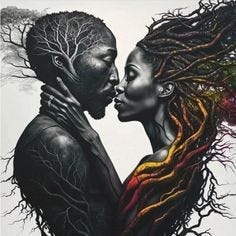
I’ve dated men from various backgrounds, but the most abusive relationship I experienced was with a Caribbean man who felt emasculated by my accomplishments and intelligence. I ended the relationship due to his infidelity, which he justified as a desire to have me all to himself. During our final conversation, he expressed how, as a Black man, he felt unable to share his vulnerabilities without fear of public mockery, a contrast to the support I received.
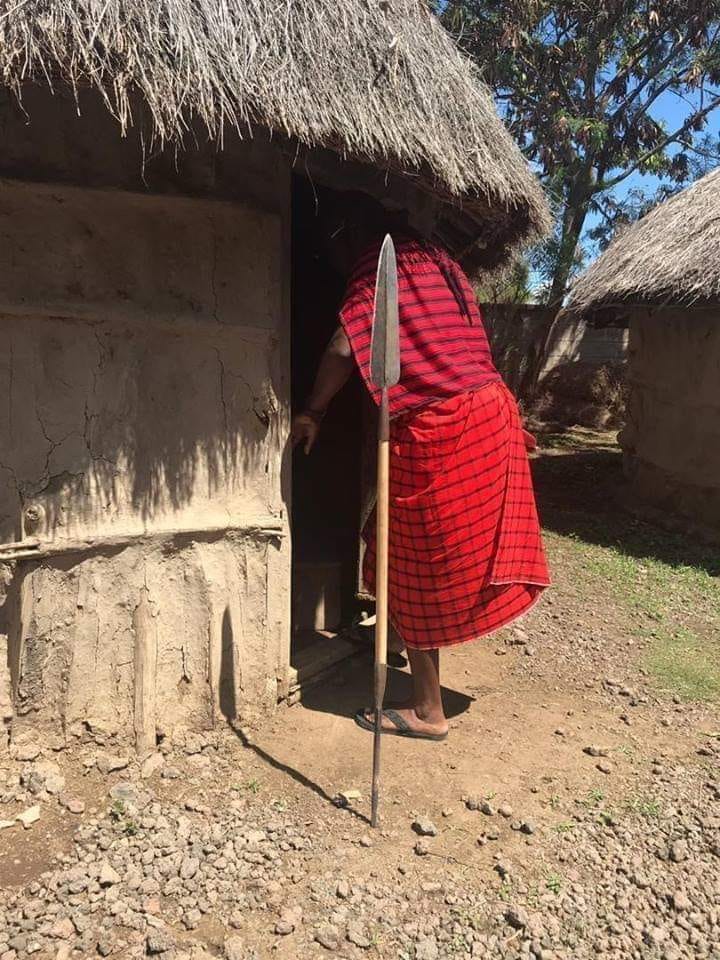
Recently, a Jamaican man and I discussed polyamory and this past relationship. He suggested that ‘Black men can’t do polyamory.’ However, I disagreed, citing that not all my experiences supported this. For instance, in my Kenyan Maasai tribe, polygamy is common: men can have multiple wives, and women are allowed boyfriends and lovers. A spear placed outside a wife’s hut signals that she is entertaining a lover, a practice that’s respected.
Currently, I have two partners, one who is Caribbean and like me, he has never practiced monogamy. The stark difference between him and my ex lies in their political views. My ex was apolitical, while my current partner deeply engages with Black power theory and history. He actively works to unlearn toxic behaviors influenced by white-centric standards and leans on his culture to forge an authentic identity. This approach challenges conventional notions of Black manhood and love.
There seems to be a lot of unresolved hurt between Black men and women in the diaspora, and without staying cognizant as to how history shapes us, we will remain unable to be free of its influence.
The panel highlighted the disrespect Black women often face and their struggle to be loved, especially as they age. It also shed light on the invisibility of Black men’s pain and their feelings of emasculation due to Black female empowerment. This contrasts with Africa, where Black female power is celebrated. But it might be that it can be because Black men in Africa are in power and don’t feel emasculated by the system surrounding them.
Patriarchy tells men that their worth lies in being providers and protectors. White supremacy, starting with the slave trade, emasculated Black men by rendering them unable to protect their children from being taken away and sold into slavery elsewhere. Black men were made to accept their wives, daughters, and sisters being raped by white slave owners. Black men who dared to fight back were publicly raped to humiliate them.
One of the panelists remarked, as the second argument was underway, that we need to talk about the sexual violence Black men endure. At first, I found it an odd non-sequitur, but in the context of what was being triggered, it made sense. Hearing a Black woman say she didn’t need a man triggered the emasculation Black men feel, not being able to provide or protect, even themselves.
So what’s the way forward? Should Black women not express autonomy, pride, and soloamory? In the movie ‘Fences,’ there is a scene where Denzel Washington’s character exclaims how much humiliation and pain he has endured being a garbage collector, which is why he cheats on his faithful wife played by Viola Davis. She responds how she has been by his side throughout, trying to help him carry the load, but what about her? Should she also endure his humiliation so his male ego can be propped up?
Love should never ask you to compromise your dignity. Love is rooted in freedom, but I believe that for many Black people in the diaspora, the legacy of slavery still shackles Black love.
I’ve been invited to participate in another panel on polyamorous dating. Before we start this time, I’m going to prepare everyone in the room for the discussion. Love delves into our most vulnerable selves, reminiscent of childhood, thereby triggering all our ancestral baggage related to secure attachment. To heal, we need to first recognize what has been agitated and then soothe it. I have faith in my black brothers, sisters, and non-binary siblings of the diaspora. The desire for Black love is evident, but we must also prepare ourselves to receive it by working on being healthy and whole. Perhaps we can look to pre-colonial African gender dynamics as a model for this process, reminding us of who we were before the rupture occurred.
If this piece resonates, share it with someone who needs to hear it.