
They Want You to Feel Dirty for Being Polyamorous

There is a sorrow to living a life pre-edited for the approval of others. To constantly run your choices through an imaginary panel of judges. To pause before every action and ask: Will this disappoint someone? Will this change how I am seen? Will this render me finally unlovable?
This is the landscape of shame that many polyamorous people, particularly those socialized as women, navigate daily. They carry the conviction that they are somehow defective, bad at the root. They’re told they’re not supposed to want multiple sexual partners. And if they are mothers, the indictment sharpens: a parent’s desires must be folded small and tucked away, lest they unravel the home. They worry about being homewreckers for dating partnered people, even when they have the full support of their partners and metamours.
Unprocessed shame is a dark cloud that follows you, raining on you until your body feels heavy. It turns into a leaden blanket wrapped around your shoulders, tightening with every worry of judgment, restricting your movement, and dulling sensation, so even the joy and ease that should be possible in your polyamory journey becomes hard to access, hard to feel in your own skin.
Now shame isn’t just a wildflower that bloomed up inside your breastbone all on its own. Somebody came along and planted it there, deliberately and deep. And when I say “somebody,” I mean the long, slow hands of history and power, working quietly through the years, through your family and community.
The work of an Australian criminologist, John Braithwaite, helps us understand this. His framework on shame has been widely adopted, including by decolonial thinkers. Braithwaite shows how shame can be used in two fundamentally different ways. One he called reintegrative shaming. That’s the kind that wraps its arms around you after you’ve stumbled. It says, “You did wrong, yes, but come on back home now. We gon’ fix this thing together.” It’s shame that wants you whole again, that wants the circle mended, that believes in return.
And there is disintegrative shaming, or stigmatization, where the goal is punishment, exile, and a permanent “bad person” status. Those two forms don’t just feel different emotionally. They land differently in the body. They shape community differently. And they serve power differently.
So don’t you go thinking shame is your private burden, something you cooked up in your own kitchen. No. It was handed to you, passed down like a bitter medicine somebody swore was good for you. And once you see that, once you recognize the two faces it wears, you can start deciding which wolf you’ll feed.
That’s the first step, knowing the difference between the shame that heals and the shame that just eats away at you.
Colonial patriarchy can’t afford reintegrative accountability as the dominant norm. Reintegration demands too much: it asks for mutual care, for shared burdens, for the patient mapping of context, for the stubborn recognition of someone else's full humanity. Empire cannot survive such conditions. What empire requires is fear that stays in the body, hierarchy that feels natural, and the easy classification of certain lives as disposable. So shame was engineered into a weapon: public stripping away of dignity, moral branding that echoes for generations, banishment that leaves no return address, prisons built of both stone and silence, and identities branded so deeply they appear to be one's own skin.
This essay is an invitation to track shame back to its roots, not to blame ourselves for carrying it, but to understand how it was installed. We will look at how shame functions as a technology of control rather than a personal defect, how it gets intensified through colonial and through the severe Christian Puritan codes that teach people to police themselves more ruthlessly than any overseer ever could. We look at how it travels quietly through ordinary houses, disguised as good" child rearing, as the pursuit of respectability, as the gendered lessons that teach women especially to fear and fragment their own desire, their bodies, their capacity for many kinds of love.
From there, we will examine how these same mechanisms appear with particular force in polyamorous lives through secrecy, slut-shaming, internalized mono-normativity, and the exhausting labor of constantly explaining yourself and being in self-defense of your polyamory practice.
We will explore the real, the tested, the evidence-shaped ways of loosening shame's cold fingers from around your throat. We will ask and answer: how do we build lives, build worlds, where you do not have to abandon yourself at the door to be welcome? How can we come home to our own bodies and enjoy them without shame? How can we be shameless not because we have no ethics, but because our awareness no longer require us to shrink ourselves?
From Breaking Bodies to Breaking Souls
For most of human time shame wore the face of honour and belonged to the tribe. It lived between people, not inside them. The worst wound was not the whip or prison but the sudden silence of the village turning its back. Exile, when it came, was rare and terrible, reserved for blood crimes, murder mostly, and even then the door to repair often stayed ajar: a payment of cattle, marriage, some gesture large enough to stitch the torn cloth holding communities.
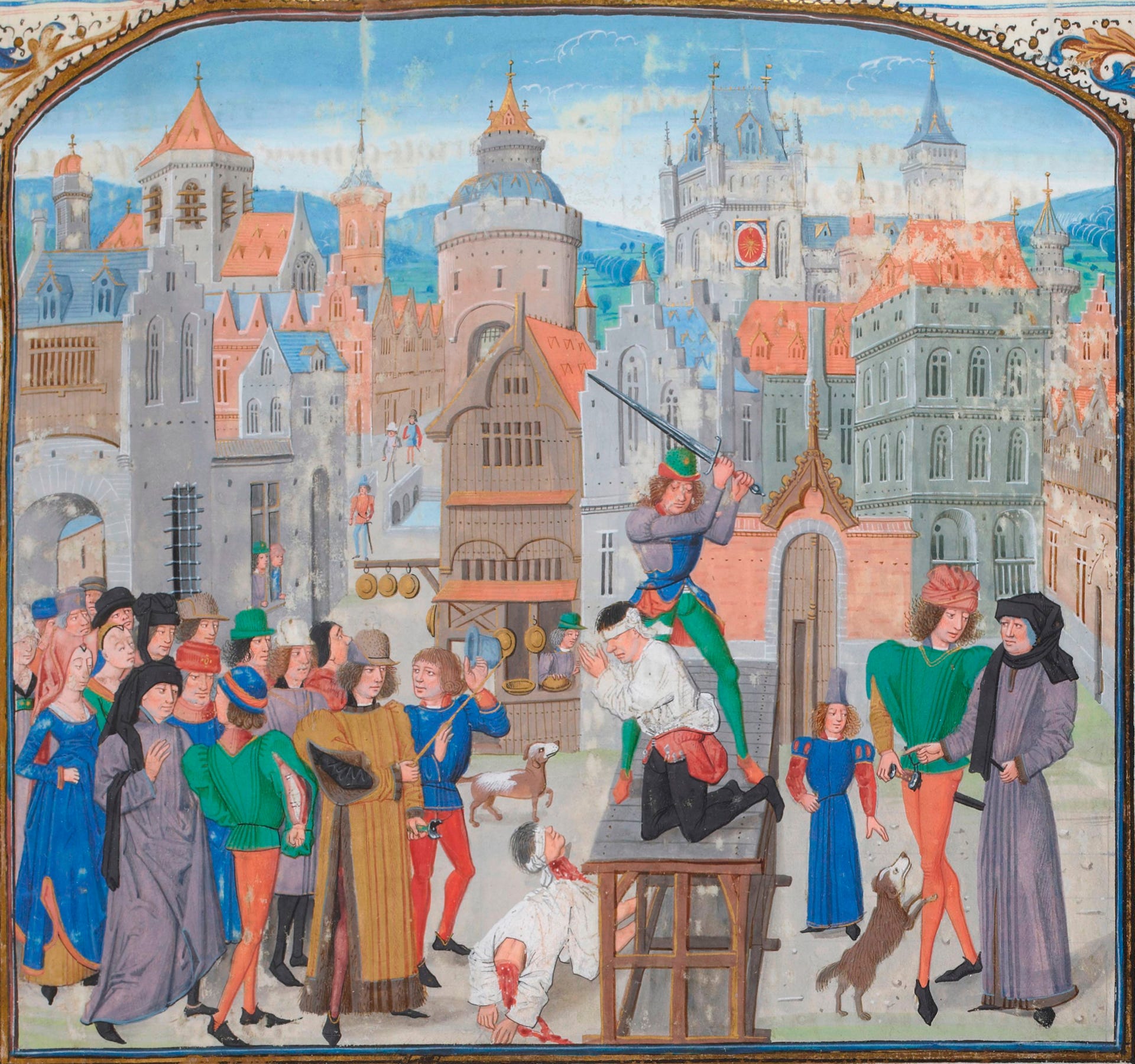
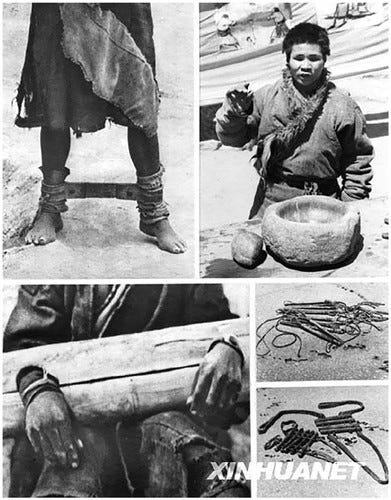
But as societies grew larger and empires centralized, power shifted. People at the top needed obedience at scale, and one of the fastest ways to produce it was spectacle. Violence became public theatre. Executions turned into town events. The ruler did not merely punish; he performed dominion so every watching eye would remember whose hand held the right to unmake a life. You can see versions of this across time and place, from medieval Europe’s public tortures and executions to places where corporal punishment for theft, like severing hands in Tibet was used to make an example out of the body. Violence wasn’t just about justice, it was theater. It reminded everyone who held power.
Then, as economies industrialized, capitalist states needed something different: workers who showed up on time. Soldiers who obeyed without a second thought. Children who sat still and swallowed the lesson that the world rewards the obedient. Citizens who policed themselves so the state could save on whips. Constant violence is inefficient for that kind of society.
A French philosopher, Michel Foucault, studied this shift and argued that in the 1700s and 1800s a new form of power emerged. Instead of relying mainly on public spectacle and brute force, societies developed discipline: systems that train people into obedience through surveillance, routines, normalization, and self-policing. It’s the kind of discipline we still live inside today.
Basically modern states expanded a network of institutions designed to discipline people long before anything went astray. Schools were no longer just for elites; they became training grounds for punctuality and hierarchy, teaching children to sit still and seek external validation like A+ grades. Hospitals and psychiatry took over the jobs of priests, categorizing people who didn’t fit the industrial mold as sick or deviant to be corrected, managed, or contained. Prisons and police forces moved away from torture toward surveillance-based control.
These institutions weren’t just buildings; they were the technologies of a new kind of power. By organizing learning, healing, and punishment around a rigid standard of the norm, the blade moved from the town square into the individual’s conscience. We no longer need the threat of the whip to stay in line because we’ve been trained to fear the shame of being neurodivergent, not fitting the binary, or being labeled unproductive. The modern soul, in this sense, is a political invention: a self-regulating mechanism that keeps people breaking themselves so the system doesn’t have to.
From there, Foucault shows that power didn't stop at prisons, schools, or armies. It moved inward, into the body itself, and especially into sexuality. Before the rise of industrial capitalism and the moral panic of the Victorian era, sex in many communities was understood more pragmatically, something managed through social custom rather than deep personal shame.
But by the 1800s, particularly in Protestant and bourgeois cultures, sex became saturated with anxiety. Puritan norms that had been brewing since the Reformation fully took hold: sex outside of marriage was sinful, masturbation would destroy you, desire itself was dangerous, and the proper family, monogamous, heterosexual, rigidly gendered, became the template for moral citizenship. As Foucault famously said, everything is about sex, and sex is about power. Because sex is what creates the next generation of citizens, shame around sex and norms about the family became very important to governments. Doctors, churches, schools, and the state all became managers of desire. You weren't just controlled through force anymore; you were trained to monitor your own urges, confess them, correct them, and feel shame around them.
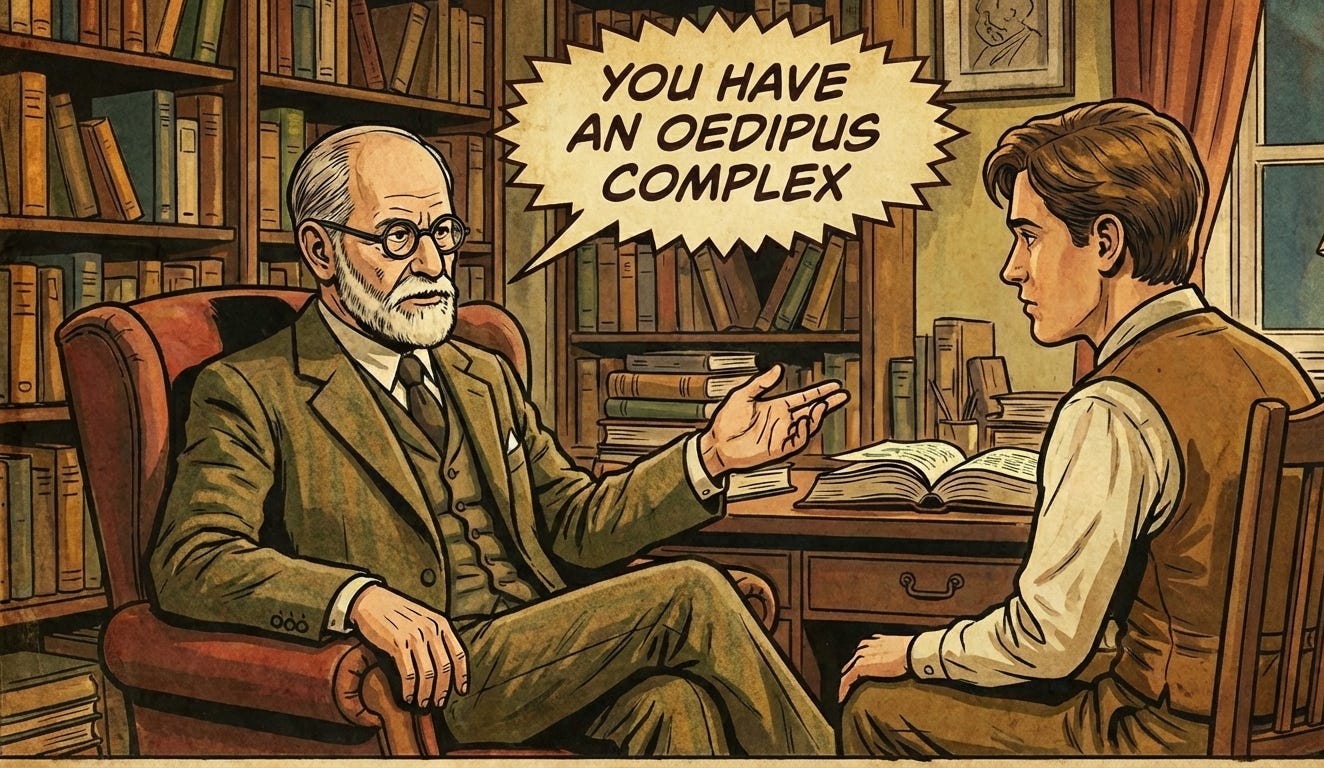
So when polyamorous people feel shame, like thinking they’re greedy, dirty, or not a real partner, a Foucauldian read would say that isn’t just personal insecurity. It’s discipline doing its job. It shows up as small social punishments: slut-shaming, being treated like a cheater, family condemnation. All of it nudges people back towards monogamous norms. And after a while, nobody even has to punish you. You start doing it to yourself. You hide partners. You downplay love. You second-guess your desires. The surveillance has moved inside.
And it can happen inside poly spaces too. People feel shame for having jealousy, wanting reassurance, or not being evolved enough for poly. The ideal just switches from faithful spouse to effortlessly chill poly person, but the mechanism stays the same. You're still being trained to self-correct toward whatever the culture is rewarding. You're not comfortable in your own skin. Authenticity, that slippery bastard of a concept. You're a rabbit chasing the carrot of normal. Always running. Never arriving. Never still enough to ask: did I want the carrot, or did I just want to belong? And if all you're doing is chasing belonging, do you even belong to yourself?
The Apple, The Cross, and Shame: The Colonial Trinity
In the Biblical Garden of Eden, Adam and Eve walked naked and thought nothing of it. God had a single boundary: they could eat from any tree except the Tree of Knowledge of Good and Evil. Eating from it would bring death.
The serpent tempted Eve, telling her that eating the fruit would not kill them. Instead, it would make them like God, knowing good and evil. Eve ate the fruit and gave some to Adam, who also ate.
Then their eyes were opened.
But what arrived first was not wisdom as we like to imagine it. It was self surveillance. It was the sudden awareness of the body as a problem. They saw themselves as they had never seen before, and what they saw was their own nakedness. A new and terrible sensation seized them: shame. Hastily they snatched fig leaves, sewed them in a hurry, and hid what had only a moment before been innocent.

When God confronted them, a cycle of blame began: Adam blamed Eve, and Eve blamed the serpent. This transgression led to their expulsion and a life of toil and pain. Crucially, before this knowledge, nakedness had no moral weight; afterward, it became the primary site of shame.
This is the first story in the Christian Bible and European colonizers were steeped in this narrative. The Roman Empire never ended, it morphed into the Church that first took over Europe. For centuries the Bible was not just scripture but their moral and legal template. They read Genesis and saw a blueprint: knowledge and civilization come with shame, and those who lack that shame (the innocent, the pagan, the uncovered) must be covered, corrected, and ruled.
Papal bulls and royal charters turned this into official policy: Indigenous peoples were declared ignorant of true shame and therefore duty-bound to be civilized, meaning converted, clothed, disciplined, and placed under Christian order. The same story that explained why fig leaves were necessary also justified why entire continents needed to be forcibly clothed in European norms, laws, and shame.
If shame is the inevitable companion of true knowledge, then those without shame must be without knowledge. And those without knowledge are not fully human, they are waiting to be made human through conquest.

There is an African old saying “When the missionaries came to Africa they had the Bible and we had the land. They said ‘Let us pray.’ We closed our eyes. When we opened them we had the Bible and they had the land.”
(Me in a conversation with my mother)
Indeed, Christian missionaries were often sent ahead of invading colonial armies in many lands later colonized by Europeans. Acting as first anthropologists, they studied local populations while laying the psychological groundwork to normalize European rule. Their project was spiritual and psychological conquest, because lasting domination depends on colonizing the soul.
They did it through shame. They taught people to feel ashamed of their gods, their rituals, their bodies, their names, their desires, and their ways of being, reframing European norms as the only path to cleanliness, salvation, and civilization. In that light, Europeans were no longer invaders. They became God’s rightful agents.
Colonizers privatized the lands they invaded because according to to them those lands had no legal owners under European law. And that’s because many Indigenous peoples didn’t use title deeds or private property in the same way. All land according to them belonged to the community. Colonizers thus declared the land theirs, and Indigenous homes were suddenly treated as if they sat on colonial property. They enforced taxes in order for the colonized to keep living on colonial land, payable only in the colonizers’ currency, which forced people into wage labor controlled by the colonial economy.
Missionary and colonial schools became the funnel into that system. They gendered education, punished children for speaking their languages, forced new names onto them, and trained them into colonial norms.
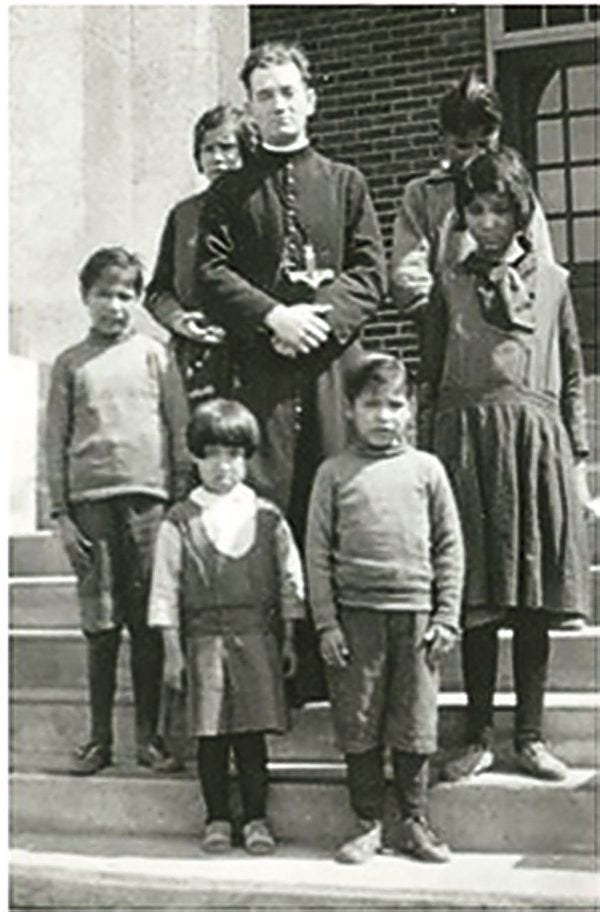
Over time, colonization worked its insidious transformation. It trained people to be ashamed of their skin color, their language, their religion, until assimilation appeared not as a choice but as the only route to dignity, to survival itself. That affective control turns into self surveillance. It turns inward. People begin to monitor themselves, to discipline their own children, to police one another's respectability lest the whole community gets punished, all to stay safe under the watchful shadow of colonial power.
The same colonial logics apply to sexuality. Colonizers systematically shamed the sexual practices of colonized peoples as promiscuous, as impure, while enforcing European norms of modesty and monogamy with the force of law. Consider: only a quarter of the world practiced monogamy before European colonization arrived to remake the globe in its image. European colonizers forced monogamous marriage through legal decree. The penalty for refusal? Loss of land. Women’s children stripped of inheritance rights. In Spanish-colonized parts of the Caribbean, Law 16 of the Laws of Burgos targeted Indigenous Taíno practices. More than two people in a bed could land you in jail. Thus was created a politics of respectability for the colonized, based entirely on European norms, as a desperate strategy to survive, to protect one’s family. The alternative? Jail. Your children taken by the state. The mark of a bad parent stamped upon you by those who had no right to judge.
BIPOC are especially taught to feel shame about their traditional backgrounds and sexuality, and to see them as patriarchal and backwards. Salvation for women especially is framed as coming from colonizers when history often says otherwise. I certainly believed that until learning my Kenyan Kikuyu tribes have self-marriage, and in Maasai polygyny women can have lovers too and the Kikuyu and Kalenjin could even become female husbands and marry other women.
BIPOC immigrants living at the heart of empire, behind enemy lines in the metropole itself, feel this pressure most acutely. They feel they have to perform respectable sexuality for the white gaze as a survival practice. The costs are real, material, immediate. Subsidized housing can be rescinded if you’re known to have more than one partner. Survival itself is conditioned on appearing monogamous, on performing the colonizer’s vision of proper love.
And when colonialism has ruled for generations, we forget. We forget what it feels like to live shame-free in our bodies and minds. We forget that such freedom ever existed at all.
My most oft repeated line to my coaching clients? Give yourself grace. So many people feel like they’re failing at polyamory, like they’re not doing it right, like the jealousy they feel means they’re broken. But jealousy is natural. It’s human. We all feel it. The colonial state, though, demands we be perfectly godly, flawless, untouched by messy emotion. And that’s the trap, perfectionism and shame are colonial control tactics. They keep us small, keep us policing ourselves.
Decolonizing means removing the colonizer from your mind. It means unlearning the idea that you must be perfect to be worthy. That's their game. They want you chasing an impossible standard, so you can always feel empty and look to buy things to fill that void.
Instead of seeking a flawless, unblemished surface, we can look to Kintsugi, the Japanese practice of repairing broken pottery with gold.

In this tradition, broken pottery is repaired with gold, making the cracks a visible, precious part of the object’s history. Our histories, our mistakes, and our deviations from the colonial norm are not things to be hidden, they’re what make us human and therefore precious. When we trade identity-based shame for impact-based responsibility, we stop trying to be perfect and start trying to be connected.
Connection to the body is exactly what Christianity teaches us to fear. Abrahamic faiths cast the flesh as dirty, desire as temptation, and life as a test of self denial. Those highest in the religious hierarchy are required to abstain from sex. Bodily control becomes the proof of spiritual authority.
Scarlet Letters Fade, Shame Lingers: The Long Shadow of Purity Culture
Hawthorne’s The Scarlet Letter, published in 1850, looks back to Puritan Massachusetts in the 1640s. A woman, Hester Prynne, is sentenced to wear a red A on her chest to mark her as an adulterer. The point is not only to punish her, but to keep the punishment visible, day after day, so that shame becomes part of her clothing. She has a child from an affair with the town minister, Arthur Dimmesdale. But the system needs a single body to carry the disgrace, so Hester is branded in public while Dimmesdale remains untouched, protected by secrecy and status. He’s however consumed, by private shame and self-punishment.

Hawthorne wrote this novel in part to atone for his great-grandfather’s role as a judge. A judge at Salem. A man who sent 19 women to their deaths for witchcraft, which is to say, for being women. Hawthorne in his book was critiquing the hypocrisy, rigidity, and cruelty of Puritan society, particularly its obsession with public shame and moral purity while men in power (like Dimmesdale) escaped accountability. He wanted to expose how Puritan morality was often a tool of control and gendered oppression. Though set in the 1640s, the book was commentary on Hawthorne's own time: 1850s America, still drunk on Puritan values. Still obsessed with women's sexuality, women's behavior, women's respectability. Still measuring virtue by how little space a woman takes up, how quiet she keeps, how pure.
A 150 years after Hawthorne, the English-speaking world is still dealing with those roots. The Puritans were an English protestant movement from the 1500s and 1600s. But contrary to myth they were not refugees fleeing a cruel, repressive Europe; they were running from what they saw as dangerous tolerance: a society that allowed laughter in churches, dancing in the towns, and pubs at night. Disgusted by the looseness they found, they crossed the ocean to build a stricter world. One telling example: in 1647, Puritan-aligned forces pushed the British Parliament to ban Christmas celebrations for being too festive. Shops were forced shut, plum puddings forbidden, carols silenced, the very birth of the child-god Jesus declared too festive, too close to the old pagan pulse of happiness. For them, joy itself was suspicious.
When they migrated to New England (in present day America), they brought this obsession with moral surveillance with them, building rigid communities where behavior was closely monitored and punished, and where nonconformity was treated as a civic threat. That ethic seeped into the bones of U.S. culture. And it never stayed confined to the colonies. Puritanism’s hatred of pleasure, its worship of discipline, its need to police bodies and beliefs traveled back through England and across the imperial world, stitching moral coercion into Western respectability politics in ways that still shape how people are shamed and controlled today.
Purity culture in conservative Christian contexts defines a girl’s worth not by her mind, her spirit, her capacity for love or creation, but by what has not entered her body. Virginity. Chastity. The word purity itself is a violence, suggesting that a woman who has known desire, who has touched or been touched, is somehow spoiled. Contaminated. Less than.
Premarital sex will ruin her. Not him, just her. Her reputation (which is to say, her value on the marriage market). Her future marriage (which is to say, her only acceptable destiny). Her relationship with God (which is to say, her soul). Fear and shame become the twin enforcers of what they call emotional purity, which means you must not only abstain from sex but from wanting it. You must murder desire before it kills you.

This is where slut-shaming does its necessary work. It polices the borders. Any woman, any girl, who dresses wrong, flirts too freely, exists too loudly in physical or digital spaces, can be marked. The accusation need not be true. The function is control. Feminist scholars have documented: slut-shaming keeps women in their place, which is to say, small. Quiet. It limits movement, autonomy, visibility, the basic freedoms of public existence.
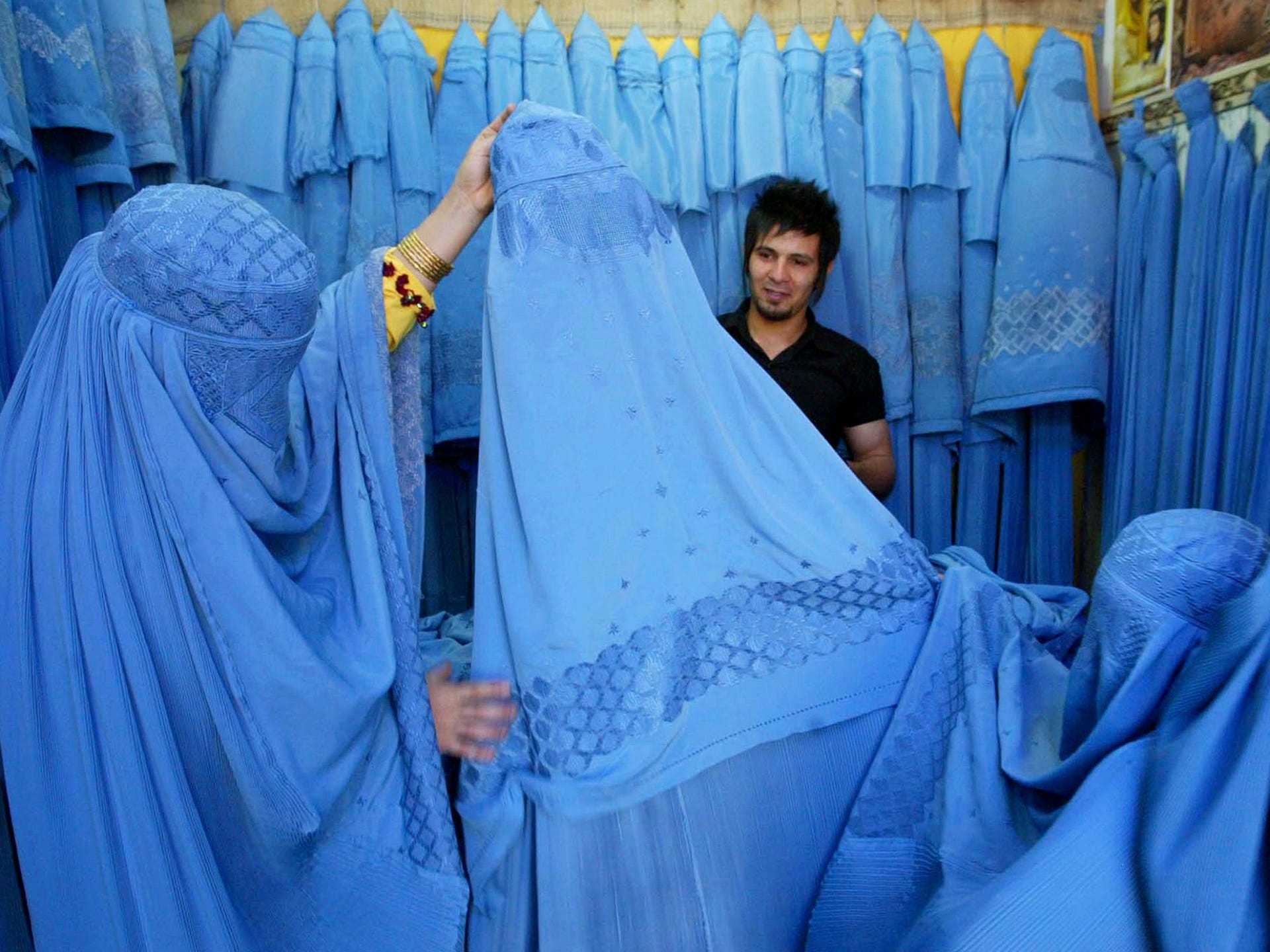
The clinical research tells us women raised in a purity culture carry shame levels comparable to those reported by survivors of sexual abuse. Read that again.
Even in polyamory, a space ostensibly built on different values, the puritan ghost reappears inside many women’s heads or from those around her. “That’s not how a woman should act.”
I know this intimately. An ex once asked what his extended family would think of him dating me, a polyamorist, an enby with audacity. “You’re like a man,” he said. “You have too much power.” He meant it as diagnosis. The problem wasn’t as much that I had two boyfriends. The problem was that I had stepped outside the role assigned to me: submissive, respectable, small enough to fit inside someone else’s idea of womanhood.
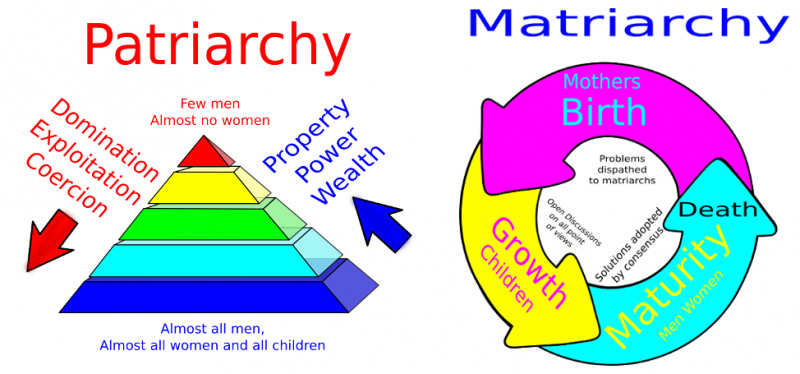
Here is what respectability politics cannot survive: a woman who claims her own power. A woman who explores non-monogamy is not simply making a lifestyle choice, she is putting her hands on a 10,000 year-old patriarchal architecture and damaging the building. This is the biblical order still taught in churches, mosques and orthodox synagogues today, the same scaffolding that held up the ships and the plantations and the doctrines of discovery.
Colonialism requires patriarchy. You cannot build an empire without a hierarchy, and hierarchies are linear, vertical, about dominance flowing downward.
Unlearning Hierarchy in Polyamory: Theory + Real-Life Practice A two-part workshop series by Decolonizing Love. Join us March 1st and 8th to move from understanding hierarchical power to practicing egalitarian love.
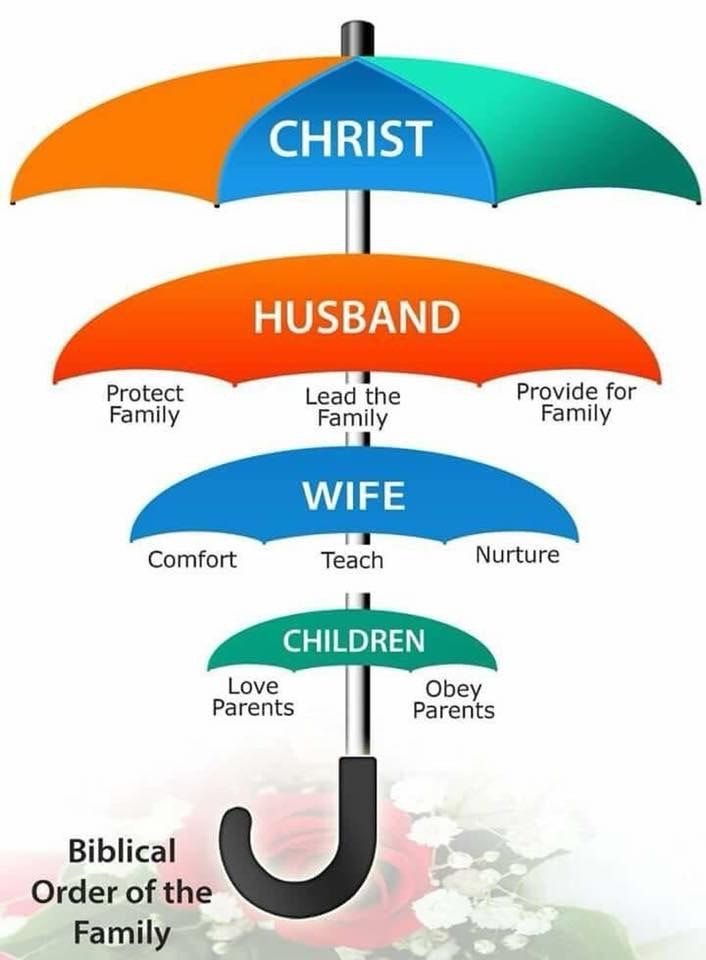
Matriarchies, by contrast, organize as circles, centering the vulnerable, the children, the ones who need protection. But patriarchy centers property. Lineage. The father’s name passing down through time. And when inheritance depends on paternity, women’s bodies must be controlled. Locked down. Monitored. Because if you need to know whose child is whose to pass down land and power and legacy, you must own the vessel. You must own her. That’s why women are passed from father to husband down the wedding aisle.
This is not ancient history. This is now. Whose last name do you carry? The scaffolding is still standing, and every woman who refuses it, who loves too many, who wants too much, who takes up space, is called a homewrecker.
Notice: men are almost never called homewreckers in heterosexual unions, even when they’re the ones having affairs, leaving families, pursuing other women. In a culture of domination, his presence is the foundation. The home is built around him. His violence, his betrayal, his desires are rarely seen as disrupting the home because he is presumed to be its rightful center. The home cannot be “wrecked” by the one who owns it. Only women wreck it, whether by refusing to stay inside its walls or by being the “other woman” who tempts him outside them. Either way, she is the threat. He is just... being a man.
Home Is Where the Script for Invisibility is Written On the Body
Shame slips into the house through the smallest doors: a certain pitch of the caregivers voice, an iron rule, a sudden punishment, a cold shoulder. When the caregiver still carries their own buried shame they react to the child’s error, the child’s too-loud life with sarcasm, silence, or love that must be earned. No lecture is needed. The lesson is cellular: some parts of you are too much, wrong, obscene. Year by year the child consumes these lessons whole until they believe the flaw is not in the act but in the marrow of who they are.
Gendered expectations are often policed through shame. Those socialized to be girls may be shamed for being bossy, loud, or too sexual, while those socialized to be boys may be shamed for being weak, emotional, or not manly enough. The binary frame structures what is praised, tolerated, and punished, so that any movement outside it, like gender nonconforming play, clothing, or emotional expression, is met with correction, teasing, or moral disapproval. The child learns early: worth lives inside the box. Step outside and the shame that follows is proof you are wrong, broken, fraudulent.
Caregivers often transmit neuronormative standards by shaming children for being too sensitive, too intense, too scattered, or not paying attention, rather than recognizing neurodivergent ways of thinking and feeling. Neurodivergent children learn that their natural ways of being are wrong, lazy or weird. So they learn to mask: fists clenched to stop the flapping, eyes forced forward, special joy swallowed down. Every repressed impulse is another layer of shame cemented inside. The house becomes the first small prison where gender’s iron frame and the brain’s forbidden shapes are both held in place by the same quiet, relentless work of making someone feel wrong for being exactly as they are.
This dynamic of shame, the way we learn to internalize it, hoping it might keep us safe, is something poet Andrea Gibson beautifully captures:

Your initial caregivers were the people your life depended on, so naturally, you wanted to fit in with them. It made sense to contort yourself to belong; it was a strategy for survival. We are social animals, yet the collective often demands we bury the jagged, beautiful parts of ourselves that don’t fit the script. Brené Brown describes shame as the fear of disconnection, the belief that if you’re seen too clearly, you’ll be left behind. Not corrected or guided. Just left behind and alone. And your body, as a social animal reads that as a mortal threat.
So now you've spent a lifetime being conditioned to fit the norms that colonial, capitalist, Puritan patriarchy enforces through everything from family to community to institutions. These systems have shaped you to carry the worst type of shame: disintegrative shame, the kind that teaches you that not fitting in can get you exiled. You've learned not to be vulnerable, not to show who you really are. Is it any wonder, then, that transitioning into polyamory feels like a profound threat to your nervous system? It's a predictable response to the threat of disconnection in a one-way system that insists there's only one correct relationship style.
The Corners Where Shame Dwells in Polyamory
Research on non-monogamy shows that shame can sneak into everyday life in a lot of different forms, and each one hurts in its own way. Learning to recognize where it shows up is the first step toward healing.
In this section, we’ll now explore eight common places shame shows up in polyamorous lives:
Guilt about having a wonderful partner
Parenting and children
Social stigma
Religious life
Racialized immigrant respectability politics
LGBTQ+ identity
Therapist bias and discrimination
Sexual shame
For each one, we’ll name what’s really going on underneath, and offer compassionate ways to move through it.