The Left Has Extremists Too. And Denial is What is Destroying Our Movements.

The left tends to deny the existence of its extremists.
When people on the left engage in destructive, abusive, and deeply antisocial behaviour the left is often so quick to explain it away. They are really right-wing trolls. They are CIA psy-ops. They are Russian bots. They are liberals pretending to be leftists. They are not really part of our movement.
Sometimes outside actors really do interfere in leftist movements. But that explanation has become a convenient way of avoiding a much harder reality: most often the people doing the damage to our movements in 2026 really are leftists, including people who genuinely believe they are defending the movement they are harming.
To be clear from the start: by extremists on the left I mean people who use coercive, dehumanizing tactics against other leftists, not people who hold radical views.
Last week, the Last Ditch bar fiasco made that reality unusually difficult to ignore. The story did not just become a right-wing talking point. It spread throughout leftist spaces as well. For many of us on the left, it was a painfully familiar reflection of toxic dynamics we have witnessed and experienced firsthand. Many of us have been sick of this for a long time and were happy to see the denial and silence around it finally start to crack.
What happened at the Last Ditch BarIf you missed it: the Last Ditch is a lesbian communist bar in Greenfield, Massachusetts. It opened in 2025, started by three queer roommates who wanted to create a third space for the Covid-conscious community, somewhere masking was mandatory.
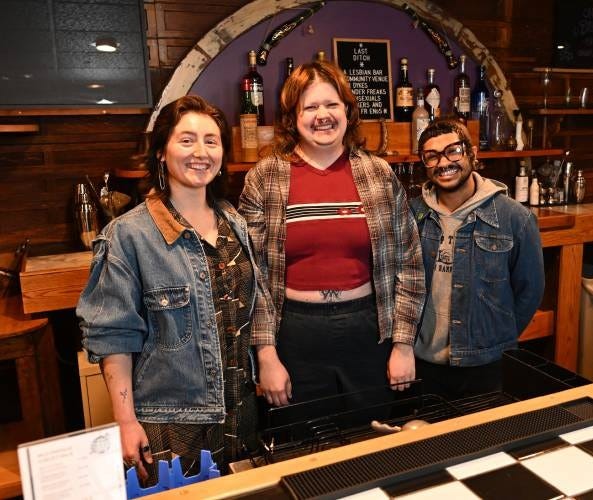
KN95s were required inside and handed out free at the door to anyone who didn’t have one. You could take a sip of your drink, but the mask went right back on. Food was eaten outside. There was also a free store where people could stock up on things like food and Narcan kits.
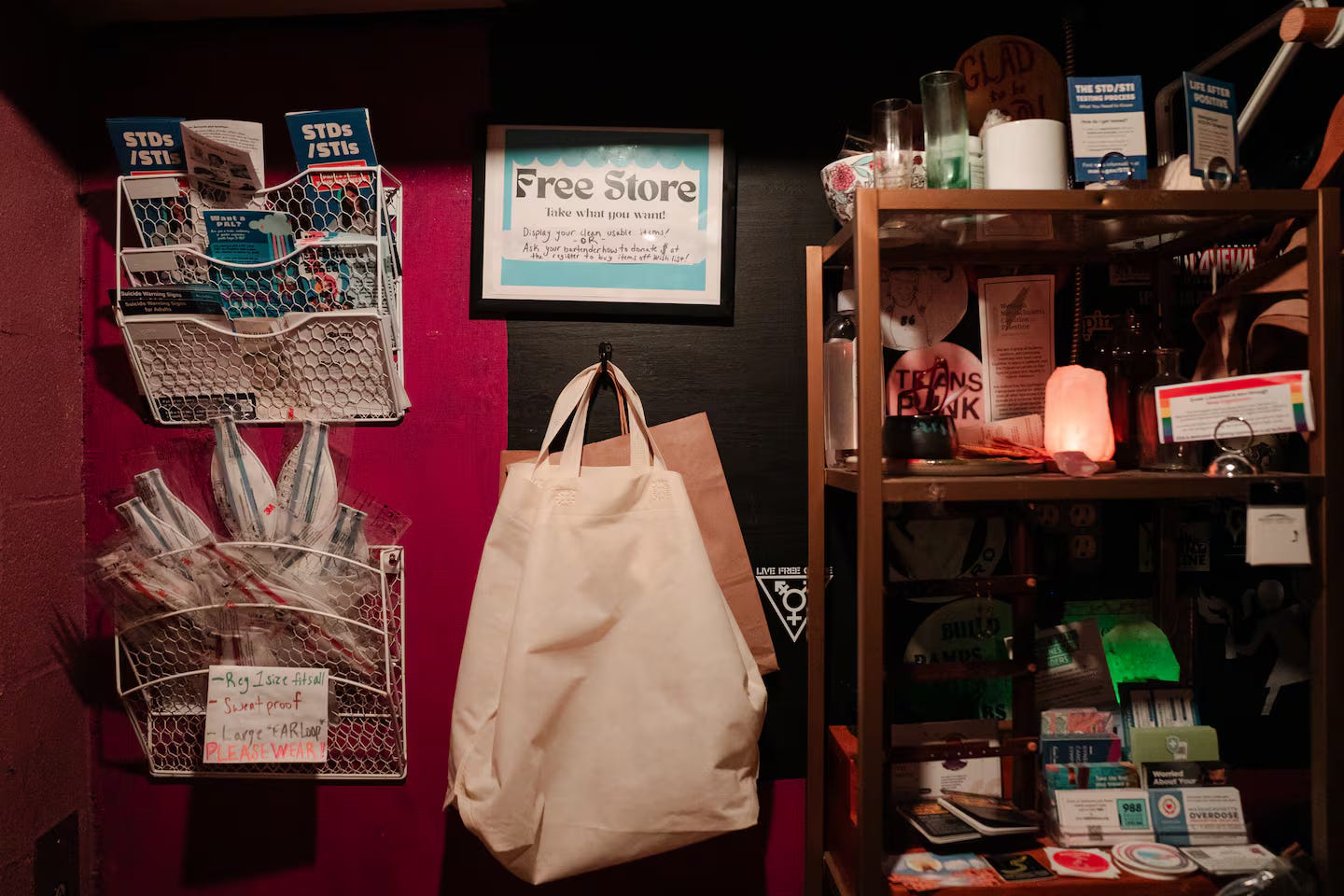
It was built to be everything for the most marginalized. But a communist, mask-mandatory bar serving a very niche market inside American capitalism was never going to be sustainable. Two of the three founders eventually left for various reasons, one of them to attend clown school. The last remaining owner, a white lesbian, had taken out loans and was $50,000 in debt. She was working three jobs and living in her truck.
So she made a decision. One day a week, on Saturdays, the bar would be mask-optional, to bring in more customers.
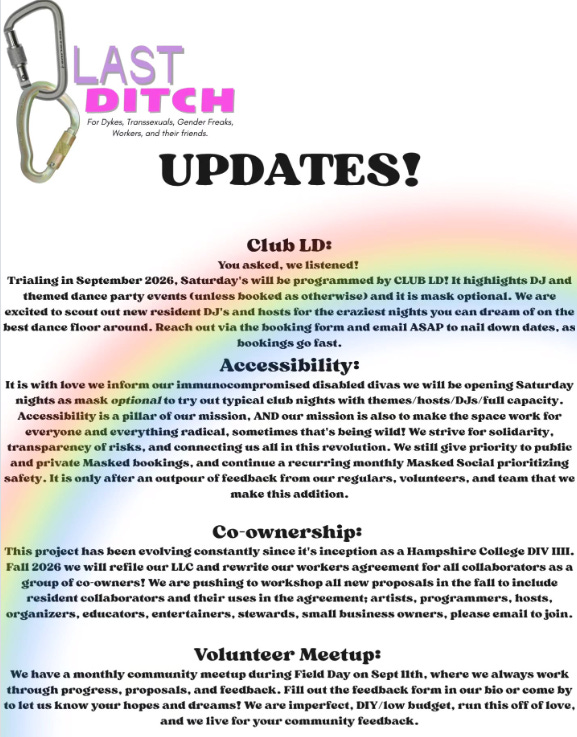
But when she posted this on August 31st all hell broke loose among the Covid-conscious clientele. She held a three-hour community meeting where she was called a racist and a eugenicist. She then posted a public apology, and in response, people in the online Covid-conscious community started wishing that the bar would be firebombed.
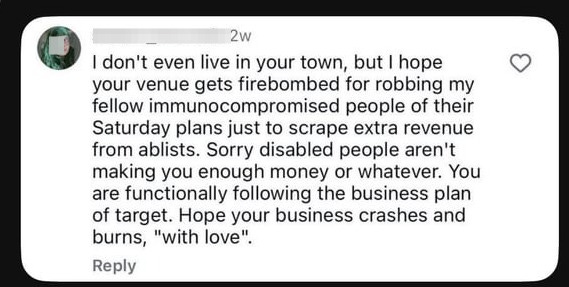
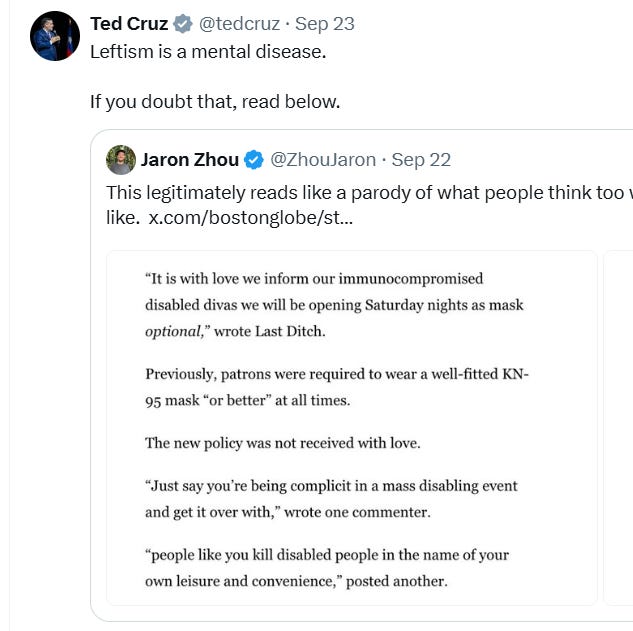
The story was picked up by the podcast Blocked and Reported, then by the Boston Globe, which cited the podcast. From there it went viral, from Newsweek to Fox News. Even Ted Cruz weighed in.
The sad irony is that the Last Ditch wasn’t the first queer bar to be canceled in Greenfield. Its precursor was a bar called Ten Forward, run by a trans man who was canceled after he offended a non-binary person. Two queer bars in a row, both pulled down by the very community they were created to serve. That should be a warning to all of us on the Left. We will continue to internally sabotage until we are willing to name the phenomenon, patterns, and groups causing movements and businesses to be destroyed, and that is something the Left has consistently struggled to do.
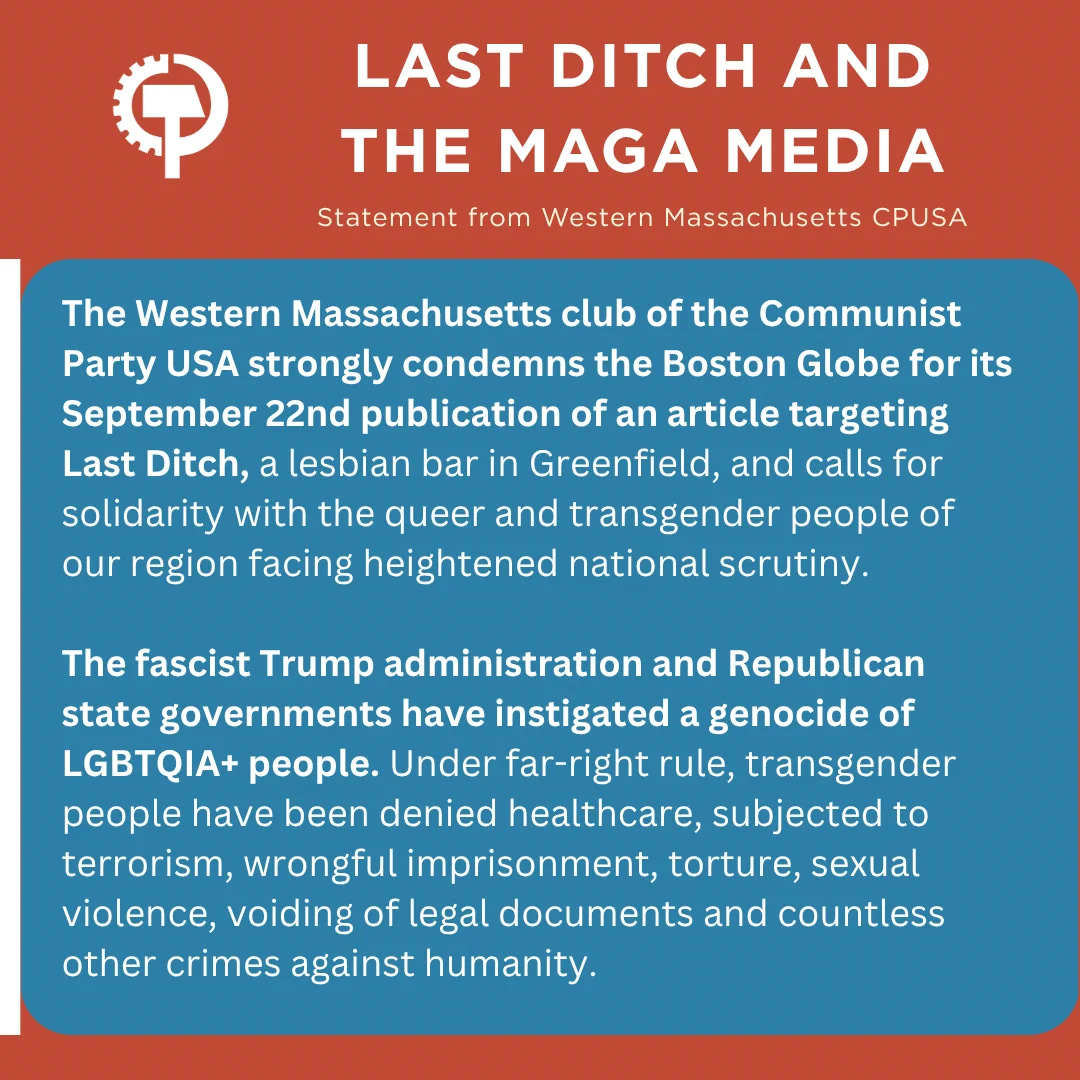
Denial is a riverThe Covid-conscious crowd, the Last Ditch catered to feel they were set up by the coverage of the event. They see right-wing media using their situation to stir up hatred against lesbians in particular, as a prelude to the November midterms. What strikes me is that they aren’t denying what happened. They just feel they’re being mocked unfairly for it. When the story went viral, a local Communist Party chapter condemned the Globe as “MAGA Media” and framed the coverage as an attack on queer and trans people.
Meanwhile, other factions of the left are evading reality in a different way. They claim that the people who targeted the Last Ditch must be Russian bots planted among the Covid-conscious. But there are no digital spooks at work here. The individuals involved are real people with extensive digital footprints and years of posting history. The Last Ditch is a real bar, and the people who went after it are actual members of its own community.
Both reactions accomplish the exact same thing: they shield the left from self-examination.
Why is the denial so strong? Because for many, being on the Left isn’t just a political stance; it’s an identity centered on moral righteousness. If leftism is the defining mark of a good person, then anyone on the Left doing something terrible can’t possibly be one of us. They must be a troll, a fed, a bot, or a liberal. Admitting that people on our side can be abusive feels like admitting we might not be the good guys after all.
But no political identity grants automatic goodness; believing it does is the exact same saved-or-damned Christian logic I’ll address later on.
"Speak bitterness" (sùkǔ, 诉苦)In the 1940s the Chinese Communist Party used emotional testimonies by peasants called sùkǔ during land reform to build class awareness and turn trauma into collective political action. Through the Last Ditch Bar fiasco we can use it for a similar practice for us: turning trauma to collective political reform.
We need it, because the left has a very hard time admitting the problem despite all the abuse from it that we encounter. Almost all of us have experienced our movements getting sabotaged from the inside by other leftists. Still, we can’t bring ourselves to say directly that we have mentally ill extremists in our ranks
I use that wording on purpose.
On the left people often avoid calling anyone mentally ill because they don’t want to pathologize people or reinforce ableism. I understand that concern, and the concept of mental illness is validly a contested terrain. Many prefer terms like psychosocial disability, or reclaim mad through Mad Pride and Mad Studies, precisely to push back against the colonial medical model. I am using mental illness here simply because it is colloquial and accessible, not because it is the only lens we should use. But destigmatization goes too far when it makes us afraid to acknowledge that mental illness exists at all.
People do not choose their trauma, mental illness, or the psychological adaptations they develop to survive difficult circumstances. What they remain responsible for is what they do with those experiences and how they treat other people.
Saying someone is mentally ill is not an insult or a moral judgment. While some prefer to use the word trauma to describe how our dysfunctional, alienating system shapes our minds, we are ultimately talking about the same thing. Naming the systemic causes does not mean pretending everyone responds to those conditions in the same way. Two people can survive the exact same environment and develop entirely different psychological patterns. One person might turn the pain inward, becoming anxious, withdrawn, and developing coping mechanisms that only hurt themselves. Another might develop distorted perceptions, a lack of empathy, and severe antisocial behaviors that genuinely damage the people around them. We have to be able to talk about the reality that some forms of mental illness cause outward harm, while still defending the truth that most people living with mental illness harm no one.
I’ve experienced this firsthand. Last year I was the target of a months-long callout campaign led by someone who openly disclosed Antisocial Personality Disorder (ASPD or sociopathy) who turned their diagnosis into a shield. Challenging their behavior was no longer a critique of their actions; it was framed as ableism.
This is a blind spot on the left. We’ve become so preoccupied with identity, marginalization, and the fear of appearing ableist that we struggle to name harm when it comes from someone who is mentally ill and has other marginalizations. Excessive virtue signalling tends to go hand in hand with aggressive purity testing. Bad actors can initiate public shaming, dogpiles, or cyberbullying under the guise of accountability, masking cruelty as the pursuit of justice. An identity can explain someone’s experiences, but it must never place someone beyond criticism, or it can create conditions for harmful behaviour, including coercive harassment campaigns.
What is a Leftist Extremist
Extremist is a word leftists are only comfortable using about the far right: racist skinheads, incels, Nazis. We get defensive when it’s used about the left, and for good reason. The right uses extremist to discredit us. They call anarchists like me Antifa, as if being antifascist were a bad thing, and as if Antifa were a global organization rather than a description. They use the word to shut down justifiable countercultural movements, most of which aren’t even militant.
So when discussing extremists on the left, it is important to be precise about what key words mean.
Leftism, at its most basic, can be defined as a commitment to anticapitalism rooted in the socialist tradition since Marx and The Communist Manifesto (1848), and, drawing on Norberto Bobbio’s Left and Right, as opposition to social hierarchy in pursuit of greater equality.
To the right and the mainstream, radical usually means radicalized: adopting an ideology that justifies violence. But radical actually comes from the Latin radix, meaning root. A radical leftist, in the positive sense, is someone who tries to address social problems at their roots instead of patching over their surface effects. I consider myself a radical leftist which drawing on Indigenous anarchist thought, those roots are to me colonialism, hierarchy and domination.
In the plain dictionary sense, an extremist is someone whose views are regarded as excessively far from the prevailing norm. That alone isn’t a problem. Plenty of positions that are common sense today were once far from the norm. Radical views don’t make someone an extremist. Coercion does.
When we really think about it, all true extremists regardless of their political alignment are fundamentally defined by a reliance on extremist violence and a hostility to plurality. Therefore, when addressing these factions within our own ranks, a more accurate definition of the problem must be emphasized:
Extremism: a commitment to suppressing political, religious, or social difference rather than merely advocating radical change.
Isn’t this just othering?
Some people will say that calling anyone on the left an extremist is othering, drawing a line around a group of people and pushing them outside the circle. I’ve gone back and forth on the language myself. I’d happily swap in domination politics or left authoritarianism, but you could make the same argument about those terms. Any name for a pattern draws a line somewhere.
But look at who is really doing the othering. It is the people who insist these actors are bots, CIA plants, or liberals. That tactic is what artificially pushes them outside the left. I am arguing the opposite. They are ours. They developed in our spaces, speak our language, and hold, even if performatively, the same key values as us. I am drawing a boundary around behavior rather than identity. We have to name this so we can deal with it internally instead of pretending the problem is from somewhere else.
Isn’t this divisive?
Some people will say an article like this is divisive, that airing our problems in public only splits the left further. But I’m not the one dividing us. The people wishing firebombs on a lesbian bar, dogpiling organizers and driving people out of our spaces are the ones dividing us, and they’re sabotaging our movements every day. Naming that doesn’t create the division. It just stops pretending the division isn’t there. Denial hasn’t kept us united. It has only made us continue to splinter
Leftist Extremist Red flagsHere are the features of leftist extremism I’ve learned to watch for, so that people on the left can recognize them and protect themselves and the Last Ditch bar fiasco had all of them.
1. Identity as a résumé
They list their marginalizations like credentials. Performative, almost comical identity signalling is usually a tell. The person who called for the Last Ditch to be firebombed
is a good example.
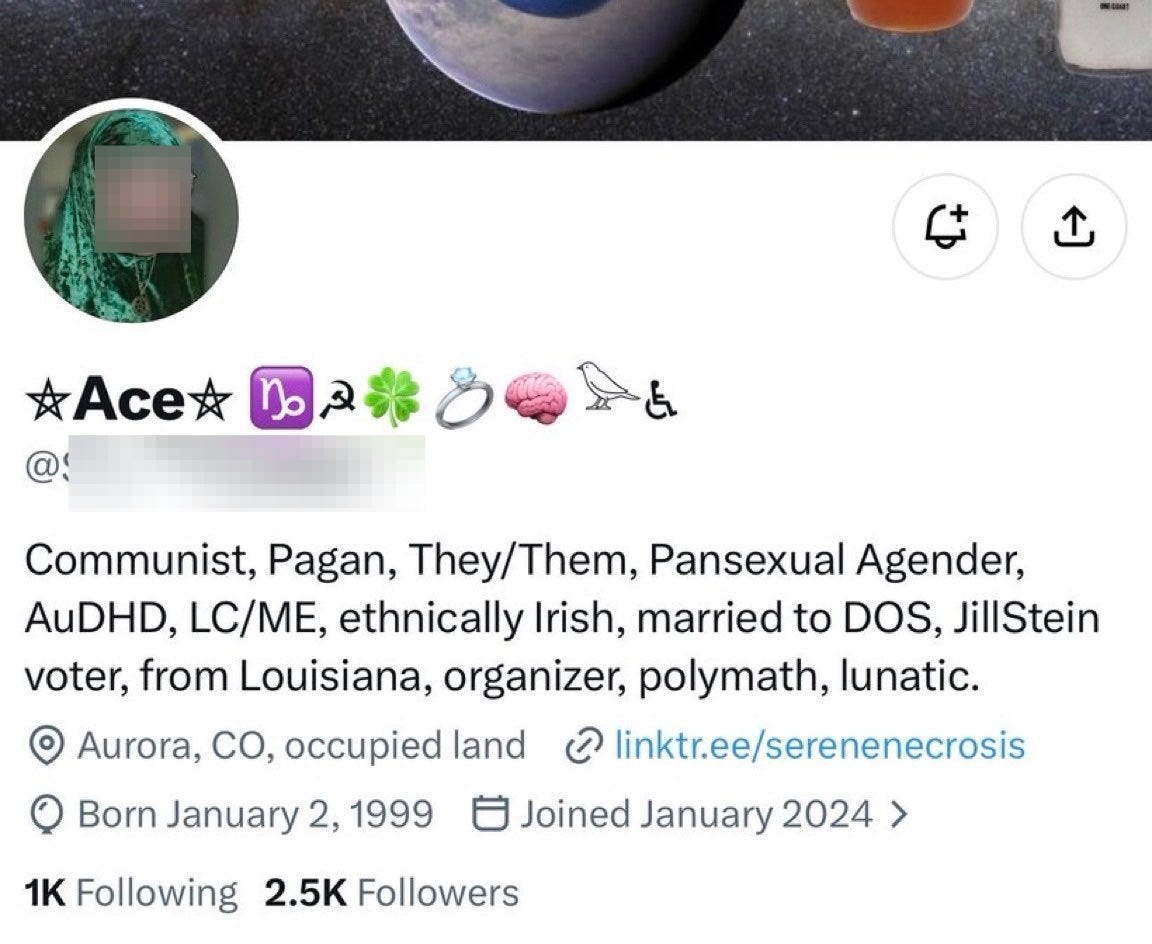
Identity politics emerged as a tool for empowerment and for showing how oppressions intersect. Identitarianism is something else. It turns identity into a weapon, or into what Mary Louise Fellows and Sherene Razack called a “race to innocence,” where claiming the most marginalized position puts you beyond criticism.
Asad Haider makes a version of this argument in Mistaken Identity: identity politics began with the Combahee River Collective as a basis for coalition, and got turned into something that divides.
The issue isn’t that someone names their identities. Just watch for identity claims used to deflect harassment, abuse and physical violence.
2. Purity politics
The Puritans first landed in Massachusetts. So, in a grim way, it is fitting that the Last Ditch is also in Massachusetts.
Puritan Calvinism taught predestination: God had already decided who would be saved and who would be damned, and nothing you did could change that. All you could do was constantly and publicly demonstrate that you were one of the elect. Virtue signalling is, in some ways, the secular version of this logic. There is little room for nuance, ambiguity, or growth. You are either righteous or condemned, and the proof is in the performance.
You can recognize this kind of politics by its fixation on sin. It defines itself by what it is against rather than what it is for. A movement organized this way always finds something new to condemn. They will create constant purity tests, witch hunts, and thought crimes worded as having bad takes, while building very little.
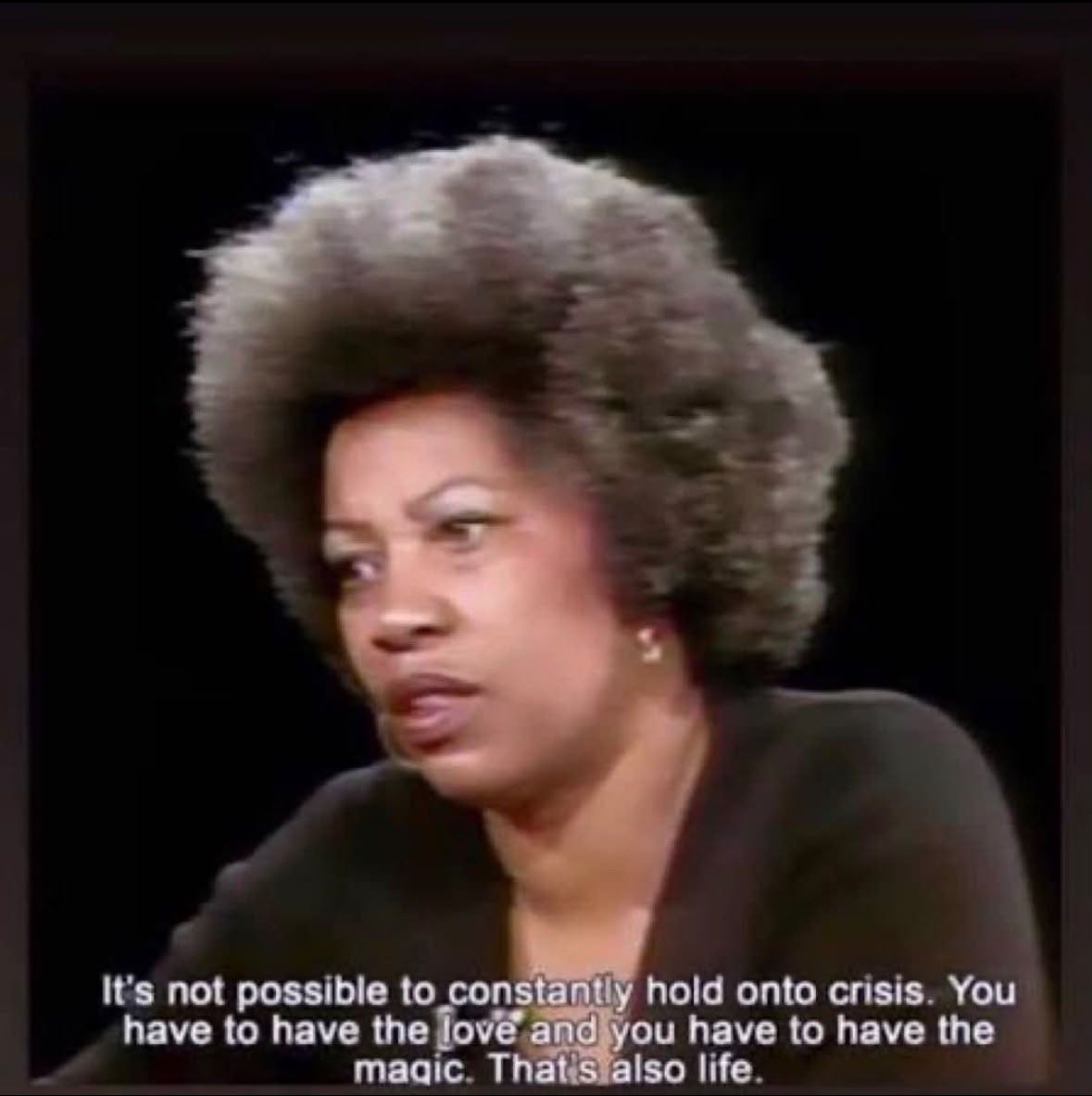
The person who wished for the Last Ditch to be firebombed came from a deeply Christian, cult-like family. This is true for many people who become intensely invested in purity politics on the left come from strict or abusive religious environments. Some leave the religion but unconsciously carry parts of its underlying moral framework with them, replacing the old doctrine with a new one.
3. Weaponizing accountability processes
They borrow the language of restorative and transformative justice, claiming to seek accountability for harm, while actually engaging in endless, carceral punitiveness.
True accountability has a clear purpose and an endpoint; its goal is repair, and it allows for completion. As transformative justice organizer Mariame Kaba notes, accountability differs fundamentally from punishment: it cannot be forced, only voluntarily undertaken.
Because of this, invoking terms like harm, call-in, or restorative justice is often a telltale sign that these concepts are being weaponized. When the owner of Last Ditch apologized, the community rejected her response and called to firebomb her establishment. True accountability offers a path forward, but you cannot out-apologize a mob that is only after blood.
4. Moral scrupulosity and projection
There’s a form of OCD called scrupulosity, sometimes called moral OCD: an obsessive fear of having done something wrong, of being a bad person, of causing harm. Most people who live with it turn it on themselves. What I see in our extremists often looks like that anxiety turned outward. The constant moral vigilance gets pointed at everyone else, and anyone who doesn’t match it becomes a threat. Clinicians describe scrupulosity as a recognized form of OCD, centred on moral and religious fears (see Abramowitz and Jacoby’s work on scrupulosity in the Journal of Obsessive-Compulsive and Related Disorders).
It usually comes with a lot of projection, accusing others of exactly what they themselves are doing. The same community that called the Last Ditch’s owner a eugenicist, someone supposedly indifferent to whether vulnerable people live or die, produced people wishing her bar would be firebombed.
5. Tactics of internal sabotage (The Three De’s)
To recognize these extremists in action, we can look at the Three De’s used to identify wreckers who aim to pacify and neutralize militant struggles: Demoralization, Disorganization, and Demobilization. While some leftists attribute these exclusively to classic COINTELPRO tactics or the heightened risk of infiltration under directives like NSPM7, these are the exact methods our own extremists use to dismantle our spaces from the inside. Everyone occasionally makes errors that fall into these categories, so it is important not to jump on someone for a single mistake. But a weaponized pattern of these behaviors is a glaring red flag:
Demoralization: Extremists will create slander campaigns to sow doubt about the character of leaders, with the ultimate goal of pushing them out to take their place. They spin lies quickly and distribute them via gossip, relying heavily on bigot-jacketing or snitch-jacketing to destroy reputations. Driven by ideological pessimism or the inability to tolerate the momentary defeats of protracted class struggle, they propagate the bleak idea that the ruling class is omnipotent and there is no hope for revolutionary change. Often, this demoralization turns into a hatred of the masses, blaming everyday people for their own oppression. The reaction to the Last Ditch is a perfect example: framing leftists as eugenicist and blaming endemic COVID on a lack of personal will to mask, rather than focusing on Monopoly Capital’s systemic inability to combat pandemics.
Disorganization: They will talk over others in meetings, monopolize discussion, and abuse loose facilitation to control the room. They disregard the agreed-upon agenda and impose their business undemocratically. Furthermore, they want everyone to adopt an impossibly difficultommunication method that will inhibit the vast majority of your members from communicating, pushing methods that jokingly require a masters degree to set up.
Demobilization: They will actively try to halt your group’s campaigns or actions. Using weaponized identitarianism, they will argue that a cause is not your fight, that it belongs solely to a specific identity group, and that you need to stay in your lane. Ultimately, they will attempt to turn a people’s struggle organization into an ineffective talk-shop that is all theory and no practice. By pushing for rigid unity of thought, they successfully alienate and push out the intermediate masses we desperately need to build mass power.
It’s tempting to blame all of this on social media. Social media amplifies it, rewards it and speeds it up. But it didn’t create it.
I’ve been in radical leftist organizing for decades now. In 2006, when I was in university, before social media took over campus life, a fellow African student and I were sat down by the board of our Black students’ organization. We were told to stop referring to ourselves as Africans, or by our tribes. Our identity, they said, had to begin with Black.
Domination politics is what colonial culture teaches, and every one of us regardless of race has a mind shaped by colonial culture until we do the work of decolonizing it. The internet didn’t create coercion and purity testing, it just gave it a global megaphone.
Most common leftist extremist communitiesHere are some of the communities where I see extremists on the left becoming coercive toward other leftists. These communities are not inherently extremist. Most people in them are ordinary people responding to concerns that have some legitimate basis. The problem emerges when legitimate concerns become absolutist identities, and when fear, grief, or moral conviction hardens into coercion.
Some white vegans use extreme rhetoric, like equating factory farming with rape or genocide.
Some Covid-conscious folks insist that everyone, babies included, mask in public indefinitely until airborne disease is eradicated, and call anyone who doesn’t a eugenicist.
Some Foundational Black Americans claim authority over Blackness itself, argue that Black people outside the United States aren’t truly Black, and target Black non-Americans, fueling diaspora wars. In doing so, they seek to centralize the Black American experience as the definitive standard, demanding that all efforts across the diaspora align with and serve their specific uplift.
Some eco-fatalists and anti-natalists, driven by extreme climate anxiety, believe humanity is fundamentally a plague on the Earth. They argue that having children is morally reprehensible because of climate change, and turn aggressive, nihilistic rhetoric on anyone advocating for sustainable, human-centred climate solutions.
Some anti-AI have concerns about the technology’s environmental, social, and economic impacts. But some treat AI as a monolith, dismissing meaningful distinctions between different models and applications. They may frame all AI as inherently destructive to the environment, predict outcomes such as Skynet, and are intolerant to nuanced approaches to its development, regulation, and use.
From the outside, some of these positions can seem difficult to understand. From inside the communities that hold them, however, they can feel like necessary responses to very real suffering. But even if we suspend disbelief and concede that a group has a valid core point, for example, that factory farming is fundamentally cruel, that validity does not automatically legitimize every tactic, behavior, or sub-position spawned by the movement.
Veganism to continue offers undeniable benefits for animals, the environment, and human health. Yet that does not make equating meat consumption to rape or genocide reasonable political rhetoric, nor does it justify harassing people especially those who are in food deserts or due to health reasons necessitate a meat diet. Similarly, COVID-19 remains a severe public health issue that has caused profound harm. Acknowledging that reality, however, does not excuse wishing violence on local businesses, dogpiling individuals, or labeling anyone with a different risk tolerance a eugenicist.
A cause can be profoundly valid without every action taken in its name being acceptable.
Hurt People Hurt PeopleMany of the leftist extremists I know in real life are survivors of severe trauma and profound disempowerment. To illustrate, while protecting their identities: one of the most coercive people I have ever known is a chronically homeless refugee who has experienced extraordinary loss, including a sibling living on the streets with addiction and another sibling killed in war. They have attempted to impose eco-communism on numerous individuals and businesses, including through physical violence. Another is a non-binary, racialized masking absolutist who survives on disability payments, can only afford a substandard room, and lives in constant fear of their landlord. When people have experienced profound powerlessness and little agency in their lives, controlling others can become one way of trying to reclaim a sense of power.
Trauma changes how people experience the world. But understanding why someone behaves the way they do is not the same as absolving them of responsibility for how they treat other people.
We have to hold two truths at the same time: people deserve access to healing and support, and people are still responsible for what they do to others while they are hurting.
Otherwise we create a politics where the more traumatized someone is, the more harm they are permitted to inflict on everyone else.
I don’t want to abandon people because they have trauma. I want a left that is capable of saying, “I understand why you are hurting, and I still won’t let you hurt other people.”
This issue mattersSome people on the left don’t think this is all that dangerous. It is.
Why take sabotage seriously only when the CIA does it? Leftist extremists cause the exact same destruction, and it is a major reason our movements keep failing.
The person who wished for Last Ditch to be firebombed has been sabotaging leftist groups for years in Denver.
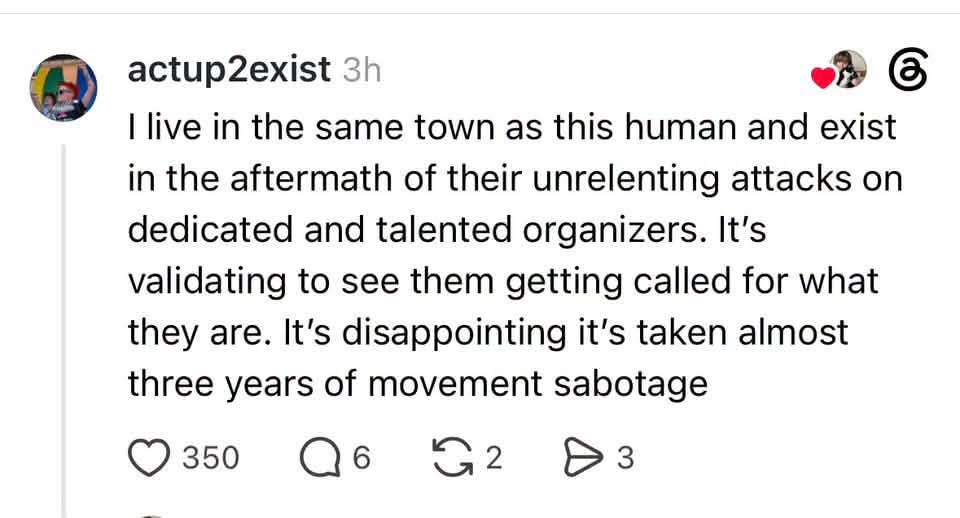
Sabotage by leftist extremists hurt people directly. People get harassed, bullied and cut off from their livelihoods, and the toll can be deadly, through suicide or stress-related illness like heart attacks.
has spoken publicly about how her cancellation by other leftists spilled into the physical world: her car tires slashed, people stalking her, her work destroyed at an anarchist fair.
Countering Leftist ExtremismWe already know a lot about countering extremism. Researchers and practitioners have spent decades working out how to deal with far-right and jihadist radicalization. We should borrow what they’ve learned, adapted to our own spaces.
1. Acknowledgement. Admitting extremism exists is essential to removing it. Some argue we shouldn’t have this conversation in plain sight of the Right, but keeping quiet doesn’t protect the Left, it simply allows the Right to define us by our worst elements.
In reality, many people end up on the Right because of our extremists. After being dogpiled or labeled racist over minor disagreements that never warranted such intense escalation, they find a welcoming community waiting on the other side.
We need to demonstrate that your average radical leftists are not the ones wishing firebombs on a lesbian bar, and more importantly, that we are capable of holding our own accountable. True strength comes from calling out internal extremism, not hiding from it.
2. Go to the roots. If radical means addressing problems at their roots, we have to apply that here too. The long-term answer is healthier families and healthier societies, where fewer people are traumatized to the point of becoming unwell, and fewer of them are then pulled into extremism.
3. Give people real ways to address grievances. Prevention relies on meaningful avenues for expression. When communities establish clear and fair processes to address harm, people rarely feel driven to initiate public pile-ons or scapegoat others over pent-up grievances.
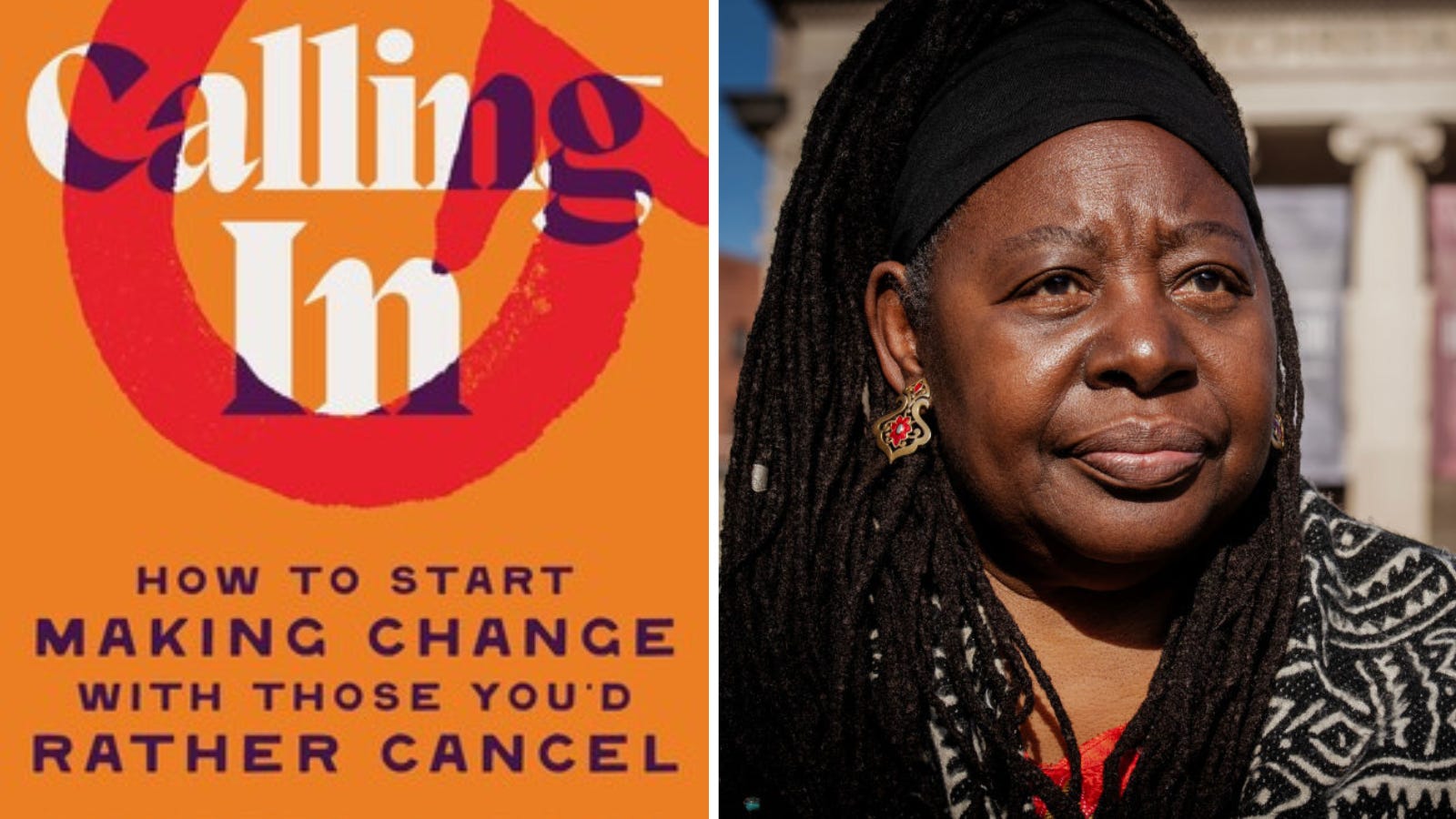
4. Learn to disagree without cancelling or callouts. We need to model disagreement that doesn’t devolve into call-out and cancel culture, and we need far more education on de-escalation. Few of us are ever taught how to diffuse a conflict, and our spaces too often reward whoever escalates hardest. There’s already good work to learn from, like Ngọc Loan Trần’s Calling IN: A Less Disposable Way of Holding Each Other Accountable and Loretta Ross’s years of teaching people similar work.
5. Build relationships before you need them. People are far more likely to listen to someone they already trust than to a stranger who shows up in the middle of a conflict.

6. Talk and be real about it. With someone expressing extreme views but not threatening anyone, direct conversation can help. Public humiliation almost never does. A productive conversation:
Look for what’s really driving them. Ask what underlying pain, fear, or frustration is feeding their worldview.
Separate facts from outrage bait. Help them untangle real evidence from conspiracy theories and propaganda.
Check their logic. Ask whether their proposed solution actually solves the problem they claim to care about.
Bring it back to real people. Remind them of the actual human impact and collateral damage of their political views.
Offer a better story. Give them credible, alternative ways to make sense of what’s happening.
Draw a hard line. Be clear that racism, dehumanization, threats, and harassment are non-negotiable dealbreakers.
7. Reduce their social power, not just their visibility. Blocking, banning and removing people is sometimes the right call, especially for threats or coordinated harassment. But suppression alone can push networks into private group chats, feed a persecution narrative, and leave the underlying appeal intact. A more durable approach:
• don’t let them set the agenda or recruit in your spaces;
• support the people and organizations they target;
• name their internal contradictions and abuses;
• refuse to fund or amplify harassment campaigns;
• refuse to platform people who consistently turn grievances into harassment campaigns, even if they claim marginalized status;
• build communities where people get belonging without purity tests;
• make constructive participation materially meaningful.
The goal isn’t to silence anyone. It’s to reduce their capacity to recruit, to coordinate harassment, and to claim ownership of identities and grievances that belong to all of us.
8. Leave the door open. Walking away from an extremist space requires far more than just a change of heart. People often lose their entire community overnight, while the group they left turns against them. They frequently need housing, employment, trauma support, protection from retaliation, and a path to repair the harm they’ve caused. It is also important to separate disengagement, stopping the harmful behavior, from a full shift in beliefs. The former can happen without the latter, and it still matters immensely. Organizations like Life After Hate in the US and EXIT-Deutschland in Germany have proven that meeting people with compassion rather than condemnation is what actually helps them walk away.
9. Protect your project. Document threats, limit access, and remove repeat harassers. Reintegration is community work; safety is personal.
What doesn’t work
Collective punishment and blanket suspicion. Treating a whole community, all Covid-conscious people or all vegans, as the problem deepens alienation and destroys trust.
Public humiliation as the main tactic. Shame hardens defensive identity and strengthens group loyalty. It’s also the extremists’ own playbook.
Arguing only about facts. Extremist commitment usually supplies belonging, status, purpose and an emotional explanation for suffering. A fact-check doesn’t replace any of that.
Relying only on enforcement. Bans, blocks and moderation are necessary when someone is a danger to others. On their own, they don’t address why people are drawn in, and they don’t help anyone find a way out.
If you’re an organizer or run a mission-driven businessUnfortunately, you’re the main target. Extremists on the left go after radical activists, organizers and mission-driven businesses because you’re the ones who listen. They feel entitled to your space because you’re supposed to cater to them. You will be nitpicked by people who will never lift a finger to help you.
Have boundaries. Go back to the red flags. These people sometimes hate-watch you, then organize in group chats to harass you and sabotage your work. Figure out who it is and where it’s happening, and block, block, block. When I found out that the person who wished for the Last Ditch to be firebombed was following me, I blocked them immediately.
None of that contradicts what I said above. Dialogue and reintegration are community work, done by people who have the relationships and the capacity for it. Keeping your project safe is organizational work, and you don’t owe anyone access to it.
If you are currently being harassed by Leftist Extremists, I advice what to do here.

One of the reasons I keep writing about this is because we are staring down the barrel of fascism and cannot afford leftists sabotaging our movements. We need to get our shit together, which means differentiating between radical leftists and extremism.
Unconventional, outside-the-box thinking is the engine of social progress; historical breakthroughs are rarely born from moderate concessions to the status quo. However, the true danger emerges when ideas mutate into coercion. Extremism must be understood not as a measure of ideological radicalism, but as an active, behavioral threat.
Our fight is ultimately against systemic structures of capitalism, colonialism, and domination. The Left must reclaim its focus and demonstrate that radical transformation can be achieved rationally and steadily, without a movement cannibalizing its own advocates. Pretending our extremists do not exist does not fortify our cause. That means opposing domination not only when it comes from the right. But also opposing domination when it comes from the left.
Silence lets extremists define the Left. If you believe in a Left where we can have different perspectives, compassion, and work towards meaningful change, please share this piece.