Surviving Online Harassment Campaigns Designed to Destroy You
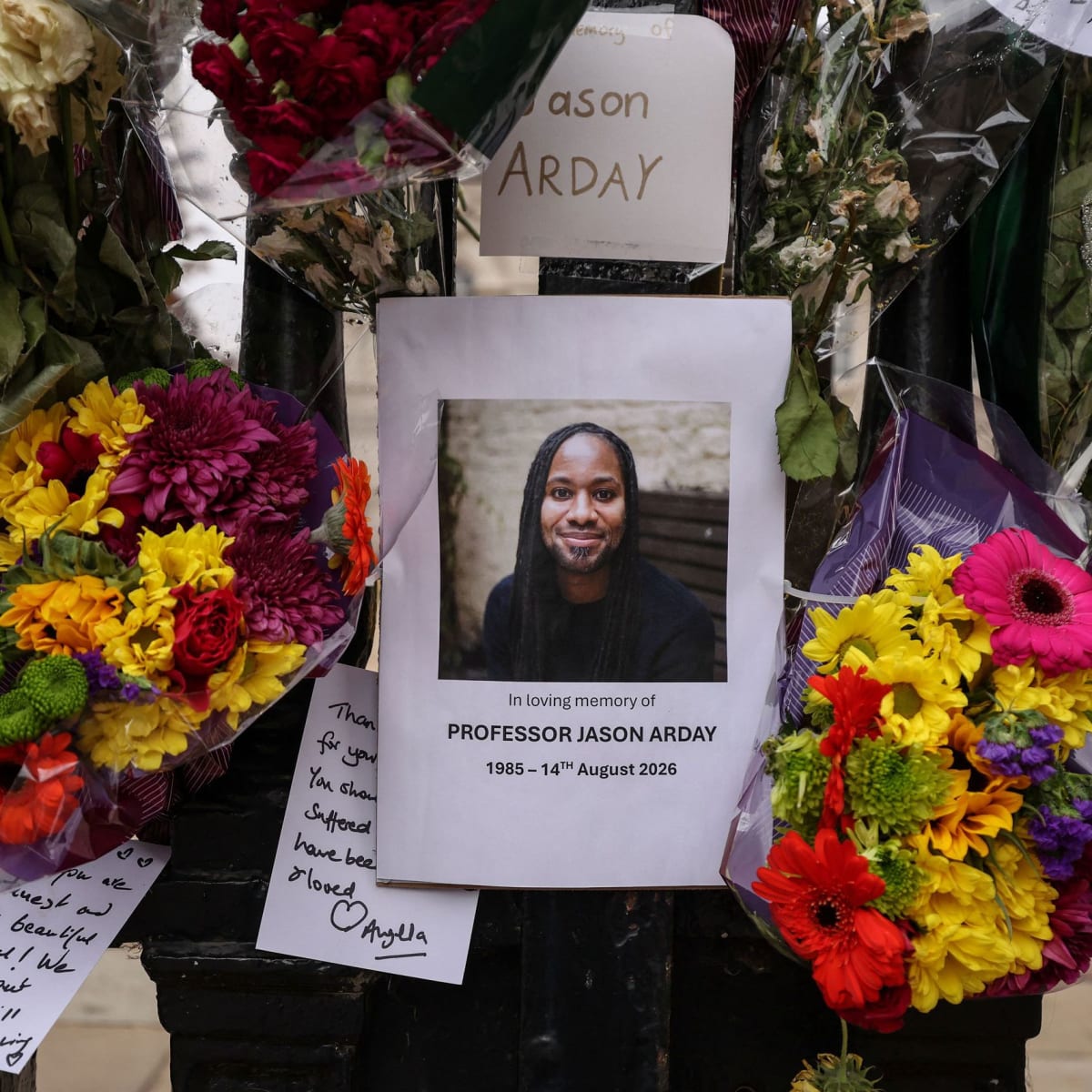
On August 14th 2026, in the South London district of Battersea, Professor Jason Arday’s body was found dead in his home. The senior coroner has said that Professor Arday died an unnatural death, though they have not specified the cause. But we can conclude it was suicide given the campaign that preceded it. He was the youngest professor in Cambridge’s nearly 1,000-year history. The relentless campaign that followed this achievement, backed by white supremacist academics, funded in part by Peter Thiel, and amplified by racist coverage in the British press makes it hard to conclude anything other than harassment played a direct role in Arday’s death.
As a Black European, this hit close to home. I left the Netherlands to study English literature in Canada because when I went to a Dutch bookstore staff seemed surprised I could read at all. At 15 I was accused of cheating on a paper because I used the word equilibrium; a teacher could not believe a Black 15 year old would know it. At 17, a British teacher suspended me for acing an in-class essay, even though I sat beside him the entire time. The lesson:
When people decide in advance what you are, the truth stops mattering. They will keep you inside that box and escalate the punishment however far it takes, no matter how absurd the justification.
This kind of enforcement used to require institutional power, a school, an employer, a newsroom. The internet changed that. What happened to Professor Arday was not only the press. Strangers organized online into a coordinated pile-on that targeted him and Cambridge together, and both broke.
The political right complains about cancel culture but uses it eagerly against anyone it wants silenced. Many of the people targeted by these campaigns are on the left, and they often get hit from both directions. Cancel culture is what happens when someone is judged to have done something unacceptable and an organized effort forms to isolate them, get them fired, fined, or boycotted.
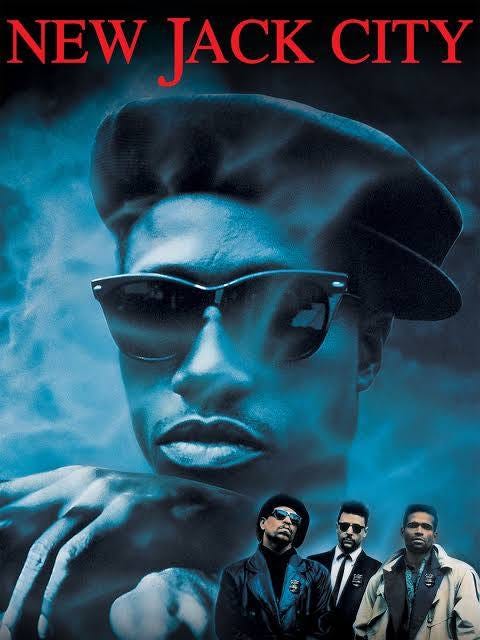
The term cancelled traces to the 1981 Chic song “Your Love Is Cancelled,” which later inspired a scene in the Black American film New Jack City where a woman is cancelled.
It gained traction though in the 2000s once the internet made it possible to organize campaigns that pressured institutions into firing people who were openly racist. I took part in that version of it, on forums where we organized calls to get racists fired. It gave people with no institutional power a way to fight back together, and it fed into later movements like #MeToo, which used the same organizing to expose figures like Harvey Weinstein and R. Kelly.
But then something changed. The tool that once challenged real injustice started getting turned on ordinary people over minor disagreements. Anyone able to gather a large enough group online could now do to a private person what once required a newsroom or a court.
I realized something had completely shifted, and that the plot had been lost, when I saw the great feminist theorist bell hooks booed in person at one of her events and later saw people calling for her cancellation because she dared not to toe the line. She had defended a Black man in the audience who asked her a question, after women in the audience began booing him. Detractors called her un-feminist. That same month she had also called Beyoncé a terrorist, which added fuel. hooks later spoke openly about how toxic the internet had become.
And it would get worse.
I have watched people on the left get targeted for holding merely different opinions, or for one awkward sentence blown up into proof of bad character. Context and good faith disagreement stop counting. People call it a callout, but a callout aimed at punishment instead of persuasion is just another form of control.
Most of us live inside cultures shaped to enforce conformity through shame and punishment. Britain, as the center of the largest empire in history, developed an especially strong version of this, and the United States expanded on many of the same patterns. Both have long histories of using humiliation and punishment, like chattel slavery, to break people and keep them in line, and that history still shapes how people treat each other.
Many people who join these online pile-ons grew up with shame used against them, often inside families shaped by Puritan or Christian traditions where public judgment was the main tool for controlling behavior. Instead of dealing with where their pain comes from, they find a target, a scapegoat, and channel their disempowerment there instead.
As things get less stable, climate change, layoffs, AI disruption, growing inequality, more people will feel powerless, and some will respond by trying to control whoever is nearest and reachable, from every point on the political spectrum. Disempowerment makes people fixate on controlling a target they can actually reach.
That is why I put this together a guide for getting through an online mob. I have advised 2 politicians and several influencers on this, based on watching friends go through it and based on getting through a cancel campaign myself last year: three months of daily posts about me. I had already prepared for it though, because if you are a public figure on the left actually challenging the existing order, being targeted is usually only a matter of time.
And you do not have to be famous for this to happen to you. A single post, a single misread comment, a single person with a following who decides you are today’s target is enough. Most people find this guide after it has already started. I want you to have it before that.