
What's Worse Than a Codependent Partner? A Codependent Metamour

If you practice polyamory long enough, you will inevitably encounter a metamour or telemour (your metamour’s partner) whose presence creates turbulence within the polycule. In their book Dealing With Difficult Metamours, the aptly pen-named Page Turner attempts an empathetic dive into a subject that remains a perennial fixture on community messaging boards but is strangely absent from polyamory literature: the difficult metamour.
The book categorizes these figures into 10 archetypes that many polyamory practitioners will find instantly recognizable: people pleasers, buttinskis, blame‑shifting ninjas, drama llamas, control freaks, rule breakers, secret sex police, steamrollers, gossips, and the exposed nerve. Turner’s approach is notably balanced, attempting to show the light side of these characters by acknowledging that most human behavior exists on a spectrum of shadow and light.
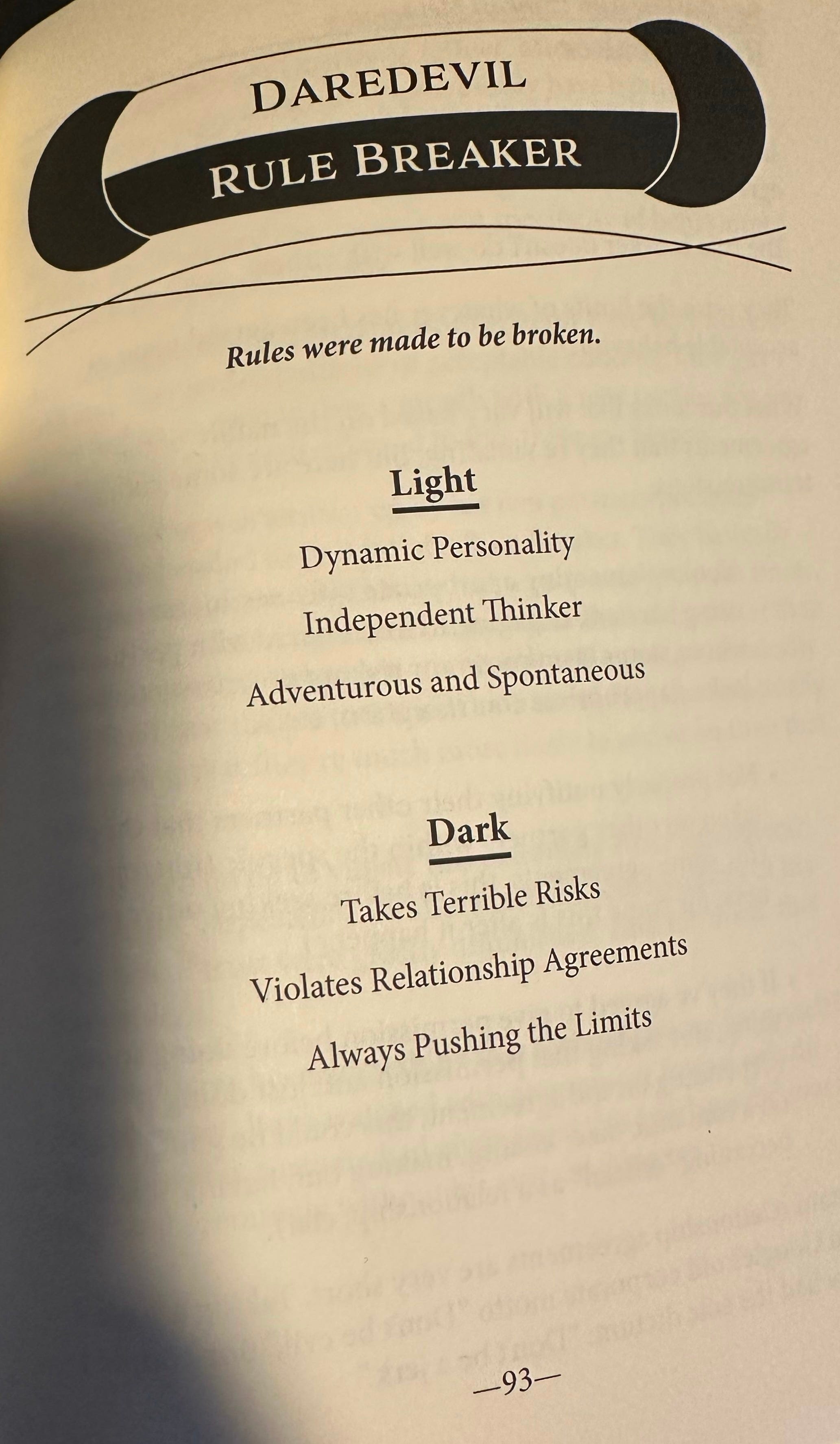
Nuance is the book’s greatest strength. Then they briefly touch on the types one has to deal with that don’t have much redeeming qualities as a metamour: liars, cowboys, and a type Dan Savage would label as poly under duress (PUD). However, while Turner deserves credit for traversing this under‑discussed territory, the work ultimately feels like a map with many missing regions. The archetypes are drawn thinly; they are spared the rigorous, fleshed‑out examples required to truly understand their impact on a polycule.
More critically, the book’s framework for resolution falters where it is most needed. From a transformative justice perspective, the section on accountability lacked sophistication. It failed to provide the rigorous framework necessary for folks to navigate deep‑seated interpersonal conflict. There is an absence of mediation frameworks, hinge‑specific skill‑building, and hinge‑boundary protection between metamours. This matters because as the saying goes “every metamour problem is a hinge problem.”
The book is an ambitious start to a much‑needed conversation, but it ultimately feels more like a self‑published primer that’s missing the editorial cohesion required for such a complex subject, making the reading experience feel disjointed. It’s a 3/5 for me: valuable for the empathy and self‑introspection it stresses, but lacking the depth required for ultimate praxis.
Furthermore, from my own vantage point as a polyamory coach and polyamorist, Turner overlooks the very figure that often sits at the heart of the most intractable polycule conflicts: the codependent metamour. What follows is how I would have written this chapter, fleshed out with an example from my own life. It explores my worst metamour experience: who she was, what she did, and how I navigated it. It examines the toll her codependency took on our hinge partner. It moves through the psychology of codependency: what it is, where it comes from, and the many forms it takes in polyamory, including forced kitchen‑table dynamics, micromanagement, and group sex as a bid for control. Finally, I talk about how to hold your ground, protect your sense of self, and stay differentiated when the person on the other side of your shared partner is doing everything, consciously or not, to force you into their orbit of control.
This section is just for paid subscribers.