
Why Do Monogamous People Prefer Cheating to Open Relationships? And How Can Cheaters Become Honest Polyamorists?

An episode of Law & Order Toronto: Criminal Intent draws inspiration from the infamous Ashley Madison data breach. Launched in 2001, Ashley Madison is a dating platform notoriously marketed to married individuals seeking extramarital affairs. In 2015, the company made global headlines when hackers leaked the personal data and emails of over 30 million users.
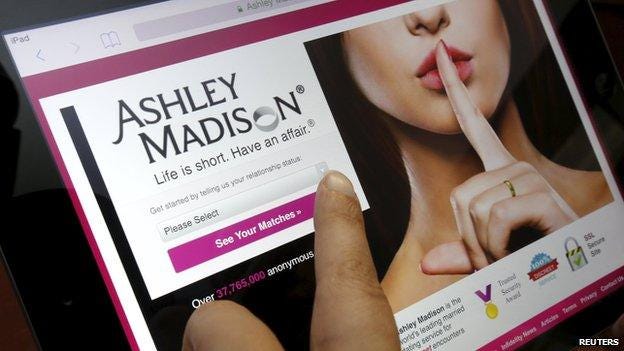
Tackling this explosive scandal, the show's fictional CEO drops a truth bomb about why cheating actually saves relationships and I completely agree! She argues that people desperately need a release to maintain healthy long term commitments. I have been saying for years that the dark shadow of monogamy is cheating culture. Monogamy culture would never have survived without tolerating infidelity. This is why cheating is so incredibly normalized in our society.
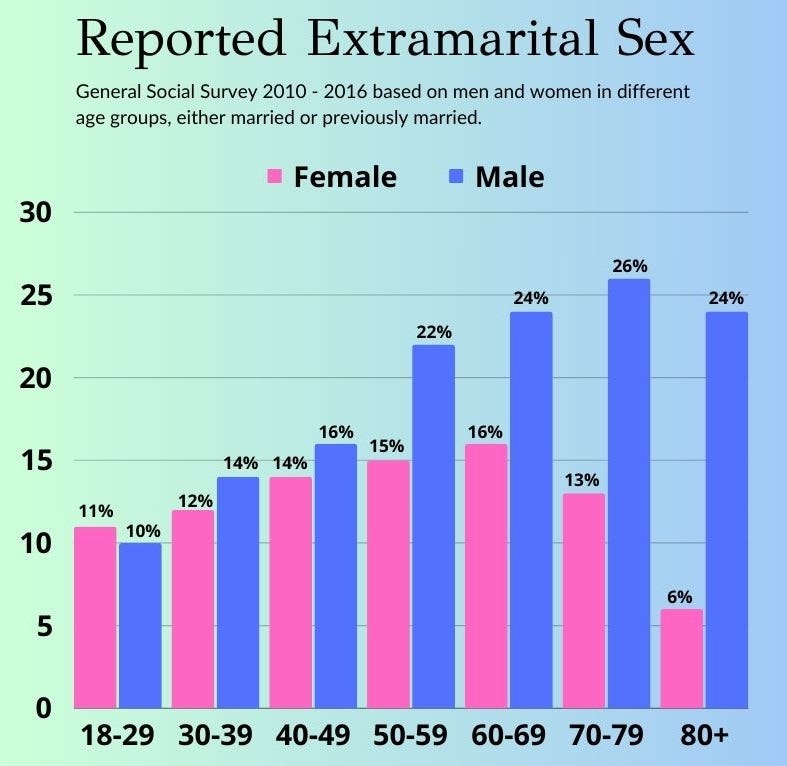
If cheating is so vital to maintaining monogamy, the obvious antidote is an open relationship. Yet I’ve had countless people tell me they would literally rather be cheated on than open up their relationship! Honesty is kryptonite to the traditional monogamous.
So why do monogamous people prefer lying over honesty in matters of love and sex? There are several reasons.
Monogamy is holier than thou
Monogamy culture is tied to a broader culture of controlling human behaviour. It has deep historical ties to religion, particularly Abrahamic faiths like Christianity, which have long moralised sex and love.
Christian monotheism is rooted in the idea that humans are superior to animals. God literally gives the world to humanity. Our purpose is to resist earthly temptations and prove ourselves worthy of heaven. Desire is something we’re supposed to rise above. It’s animalistic to be lustful. Within that worldview, attraction is a test. Lust becomes temptation, the body becomes suspicious, and being good means having enough discipline to keep your desires under control.
Monogamy is proof of discipline and purity. When people struggle with it, the answer is not maybe monogamy isn’t for everyone. Instead, we’re told that humans are weak and should keep trying anyway to be monogamous. Cheating is often treated as a natural human lapse. It’s like dieting. You know what’s good for you, but sometimes you have a cheat day.
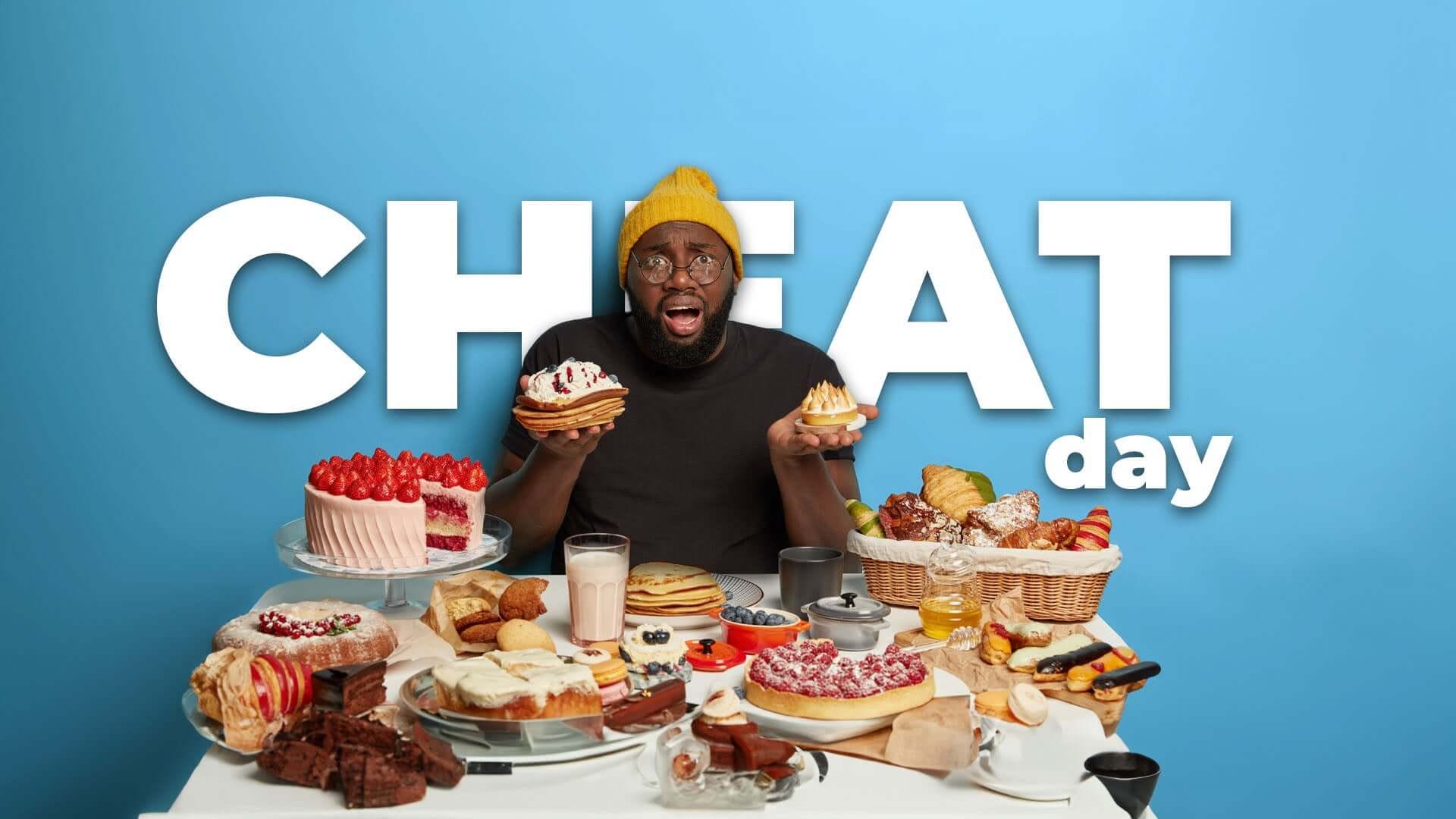
The important thing is to get back on the wagon and try to be disciplined again.
But openly choosing polyamory? That’s treated as almost sacrilegious. It’s practically announcing that you’re a proud sinner. You’re not even pretending to resist temptation. You’re embracing it! Cheating can be forgiven as mere human weakness, but polyamory challenges the entire moral ideal.
That is how monogamy remains culturally sacred even when the majority of monogamous people don’t consistently practise it. Many monogamists have cheated at some point in their lives. Most monogamists fall in love with multiple people over their lifetime, date multiple people before becoming exclusive, many have had threesomes, and explored all sorts of arrangements. They’re definitely not practising monogamy in the way their great-grandmothers did. But the point of monogamy was never realism. The point was righteousness.
Being cheated on feels safer
It might sound irrational but there are different sacrifices between accepting cheating and accepting an open relationship. Being cheated on is something done to you. Agreeing to an open relationship is something you do to yourself.
Cheating lets you remain the injured party. You never agreed to it, so your hands are clean. But in an open relationship, you have to take responsibility for navigating your own jealousy. And jealousy can bring up deep fears of replacement, inadequacy, and abandonment, particularly for people with anxious attachment. Betrayal is a single wound with a date on it. Being in an open relationship is a continuous, chosen vulnerability.
Cheating protects the fantasy of the one. For many monogamous people, exclusivity is proof of love. You are my one person. Betrayal hurts, but your narrative and mythology of love remain intact, even if your partner has broken the rules of the story. An open relationship, however, challenges the entire narrative. It forces you to rethink your values and assumptions about love. That’s far more earth shattering, because it can shake your entire sense of identity.
Monogamy is simple and openness is not. One rule: no one else. That predictability feels safe. An open relationship asks for ongoing conversations about safety, and creating multiple custom agreements. Some people find that exhausting.
Being cheated on earns you sympathy. Opening up your relationships earns you raised eyebrows. A person’s community will line up behind the betrayed partner. The couple who chose openness will however be judged by the community. The fear of stigma makes people pretend to be monogamous
Now I’m not anti-monogamy. I just think natural monogamy is rare, and most people are socially monogamous because it’s the only relationship model society has offered them. Consciously and intentionally chosen monogamy is beautiful and can be ethically practised.
And, of course, cheating happens in polyamory too. Often, it involves people transitioning out of monogamy who are still carrying monogamous conditioning, like shame around openly expressing their desires. The conditioning around wanting to love multiple people, but not feeling good about being honest about those desires, runs deep.
But cheaters can change. I’ve seen many people realize monogamy was never for them, and that they cheated because they didn’t know another way was possible.
Some choose to be brave and start living more honestly, without the shame and secrecy. Relationships can open after infidelity. Below, for paid subscribers, I'll explore how cheaters can transition into ethical polyamory, how monogamous partners can navigate betrayal and a mono-poly relationship, and what to do when polyamory simply isn't the right fit.