
    Decolonizing Love Blog hero

    Decolonizing Love Blog: Explore Insights on Relationships

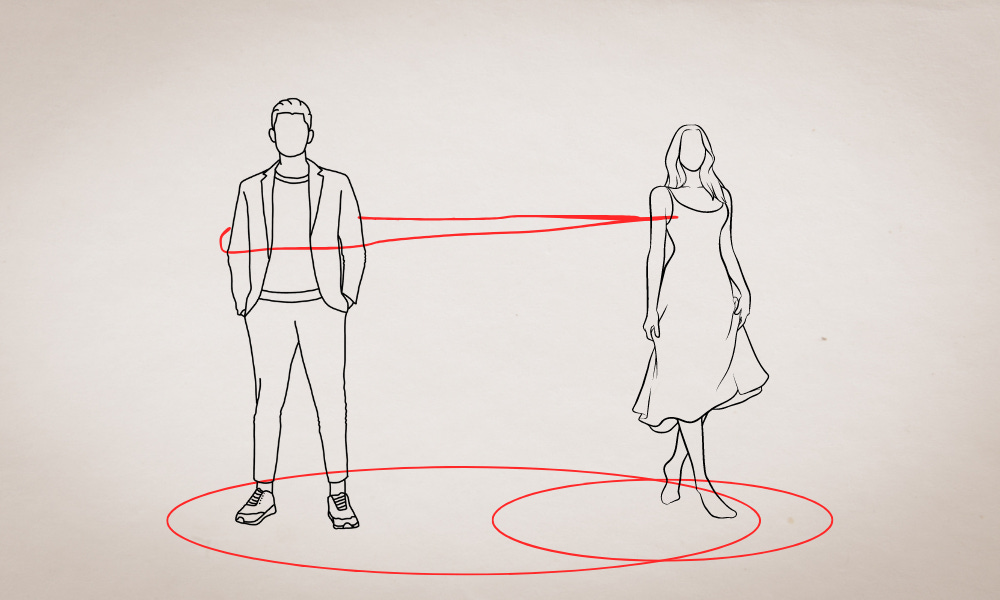
    Relationship Anarchy: Is The Polyamory Community Where Revolutionary Anarchist Politics Went to Die?
    Polyamory
    Politics
    Decolonization
    Millie Boella

    Relationship Anarchy: Is The Polyamory Community Where Revolutionary Anarchist Politics Went to Die?

    This starts as a small annoyance and turns into an argument. Hunting for anarchism podcasts while organizing a relationship anarchy conference, the writer kept finding relationship anarchy by polyamorists and almost nothing about anarchism itself. The essay is careful about what it isn't accusing anyone of. Plenty of relationship anarchists genuinely refuse to rank romantic partners above friends or chosen family. The problem is that for many of them the critique of hierarchy stops at their own relationships and never reaches the workplace, the police, the prison, or the state. The distinction comes down to two sentences that sound alike and aren't. 'I choose not to organize my relationships hierarchically' is a personal practice. 'Hierarchy is domination and should be challenged wherever it appears' is anarchist politics. The slide from the second to the first gets read here as a very old Western habit: the Enlightenment announcing universal equality while European empires expanded, the American Revolution declaring all people equal while keeping slavery legal. Then the history goes back into the word. Proudhon claiming the label in 1840, when anarchy still meant chaos to almost everyone. The Haymarket anarchists hanged after the 1886 bombing in Chicago. The Spanish Revolution of 1936, crushed by Franco and then by Stalinists in Barcelona. People were executed over this, which is why borrowing the vocabulary while defending hierarchy reads as grotesque. It doesn't end by telling anyone to drop the term. Andie Nordgren, who co-coined relationship anarchy, said the deliberately less political framing was meant as a doorway into anarchism. The verdict here is that the door got built and mostly nobody walked through. Emma Goldman does the closing work: after watching Bolshevik Russia turn its violence on anarchists too, she decided that a revolution leaving domination intact in our closest relationships isn't one. Hence the conference, billed pointedly as the first relationship anarchy conference with actual anarchist speakers.

    Read more →

    How to Know What Your Values Are in Polyamory
    Polyamory
    Relationships
    Millie Boella

    How to Know What Your Values Are in Polyamory

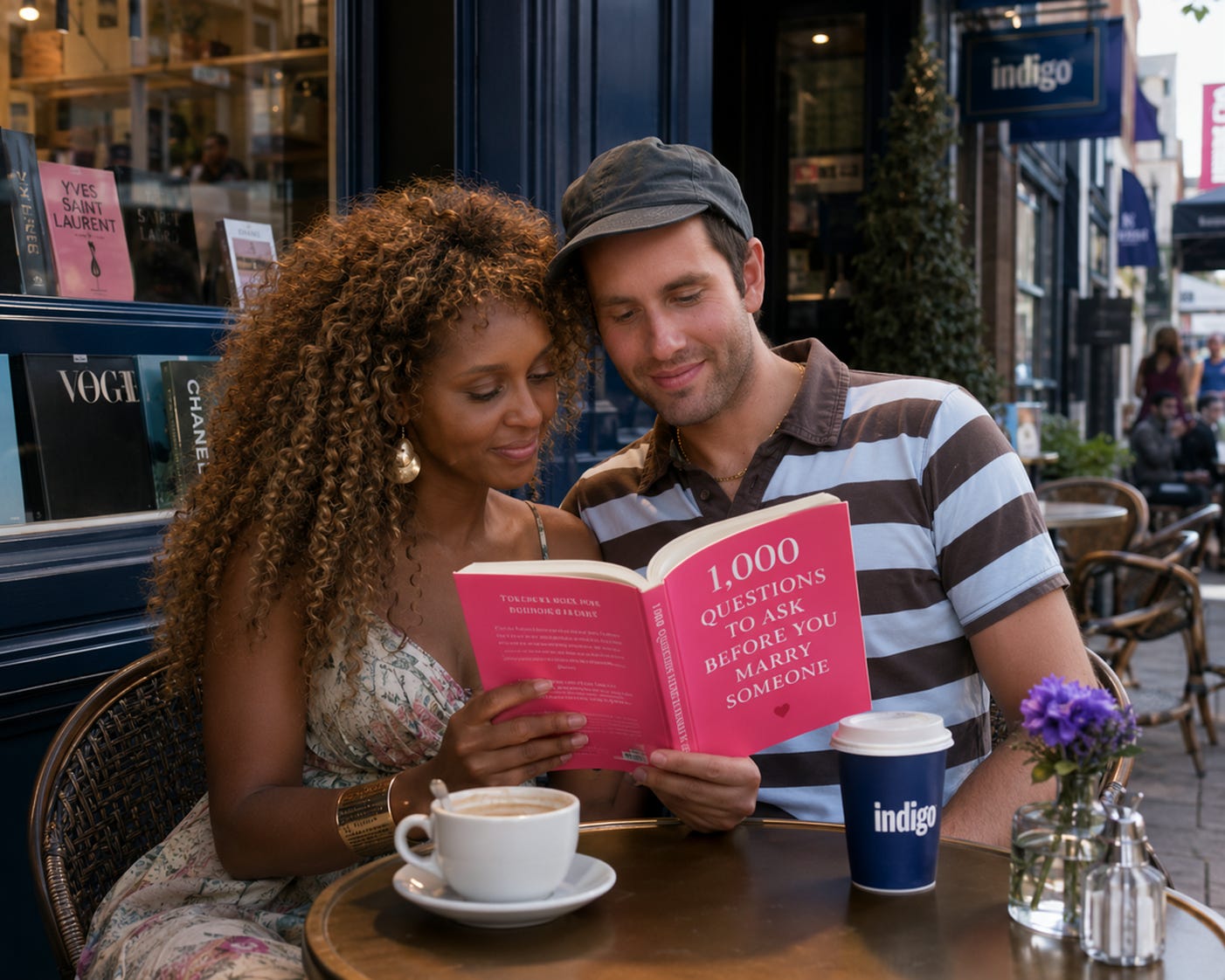
    Sixteen years ago, on a fourth date in Montréal, two 24-year-olds wandered into an Indigo bookstore, found a copy of 1,000 Questions to Ask Before You Marry Someone, and spent four hours in the cafe working through it. Money habits. Gender roles. Politics. Where they wanted to live. What a good life at sixty looked like. They came out of the afternoon figuring they were about 80% compatible. Millie knows how that sounds, clinical and unromantic, the stuff of engineers and lawyers rather than artists and lovers. But both of them had just left long relationships that ended over values instead of feeling: her four year engagement to a man who wanted her living with his parents in a grey English town as a traditional wife, and Nick's years with a devout Catholic while he was adamantly atheist. That afternoon became the reference point for every hard conversation since. When they opened the relationship eighteen months later and Nick wanted hierarchical polyamory, it never turned into a debate about polyamory. They went back to what they had already worked out in the bookstore: self-determination, dignity, equal moral consideration for everyone involved. Egalitarian polyamory was simply what those commitments produced once you followed them through. They didn't pick a style and defend it. They let the values decide. The rest is about how rarely anyone does this before the damage is done. She describes listening to people recount promising first dates, the ones with work and hobbies and attachment style and real chemistry and good sex, every textbook green flag in place, and not one word about values. What she hears underneath is the survival horror saxophone, the internet's favorite sound for a monster getting closer. The actual list of values worth asking about sits behind the paywall. The setup on its own is enough to ruin a few of your own first dates in hindsight.

    Read more →
    This is How You Dismantle Couple Privilege
    Polyamory
    Relationships
    Identity & Equality
    Millie Boella

    This is How You Dismantle Couple Privilege

    You'll hear the argument all over polyamory discourse: hierarchies in relationships are natural and inevitable, so anyone claiming to practice egalitarian polyamory is kidding themselves. This essay takes that apart by showing the word hierarchy is doing two entirely different jobs in it. Social hierarchy is structural, something the world does to you whether you consent or not. Relational hierarchy is a decision you make about how to treat your partners. Couple privilege is the structural kind. Legal marriage, tax breaks, employer benefits, automatic recognition at hospitals, holiday packages priced for two: society hands these to an established couple whether they ask for them or not, and additional partners in a polycule receive none of it. Relational hierarchy is the choice to take that unearned advantage and wield it as power over someone else's relationship. Veto power, a hinge defaulting to a spouse's wants over another partner's needs, agreements made about a relationship by someone who isn't even in it. The move that makes it click is the analogy to white privilege and male privilege. Having privilege doesn't make you an oppressor, but it does create responsibility. We have shelves of books on how white people can be allies and how men can build healthier masculinity, and almost nothing on how couples can dismantle the privilege they hold inside their own polycules. The fourteen concrete practices this essay offers sit behind the paywall, ranked from the easiest internal shifts to the hardest structural ones.

    Read more →
    Polyamory Under the Law
    Polyamory
    Politics
    Decolonization
    Millie Boella

    Polyamory Under the Law

    It opens in an ICU. The people who actually hold your life together, a partner, a metamour who helped raise your child, a chosen sibling of twenty years, wait behind a locked hospital door while reception checks for the one credential the law respects: a marriage certificate or shared blood. From there the essay picks up its news hook, Portland's March 2026 ordinance protecting polyamorous people from discrimination in housing, jobs, and public accommodation, and asks why a law like that was ever necessary. The answer runs deeper than most coverage of the municipal wave. Marriage covers barely 1.5 percent of the human timeline; hunter-gatherers like the Hadza practiced serial monogamy and communal child-rearing with no paperwork at all. Marriage arrived with agriculture as a technology for securing inheritance, and empire exported it by force. The Spanish Laws of Burgos of 1512 banned multi-partner relationships, dictated how many adults could share a bed, and burned communal Taíno houses. What gets called traditional family values was, in many places, deliberate state engineering. That history reframes marriage equality as a double-edged victory: real protections, but the state kept its job as gatekeeper of which relationships count. The essay closes with what you can do without waiting for another ordinance to pass. Sign the healthcare proxy, write the will, name your people on paper, and trade rules borrowed from contract law for agreements built on mutuality. You are already a family. The work is making the world catch up.

    Read more →
    Your 5 Core Needs in a Polyamorous Relationship
    Polyamory
    Relationships
    Millie Boella

    Your 5 Core Needs in a Polyamorous Relationship

    The essay opens with a goodbye letter. A woman leaves polyamory after nine years, convinced the constant low-grade dread she lived with was simply the cost of the lifestyle. Decolonizing Love's response is that she was sold a lie. Polyamory changes how many people are in your relational network. It does not change what your nervous system needs to feel safe. There is a sharp distinction here between monogamy on autopilot and polyamory in manual mode. Monogamy pre-fills your needs through inherited scripts: who is home most nights, who is your emergency contact, who you spend holidays with. Polyamory hands you a blank page, and most people arrive without ever asking what they actually need in an attachment-based relationship. So they accept whatever they are offered and mistake low expectations for being evolved. The essay grounds this in attachment theory, the work of Bowlby and Ainsworth, and insists your needs are non-negotiable rather than needy. From there it sets out five core questions to answer before your next relationship, or to audit the one you are in now. The full breakdown of those five lives on Substack.

    Read more →
    Before You Open Your Relationship, You Need to Become an Individual Again
    Polyamory
    Relationships
    Millie Boella

    Before You Open Your Relationship, You Need to Become an Individual Again

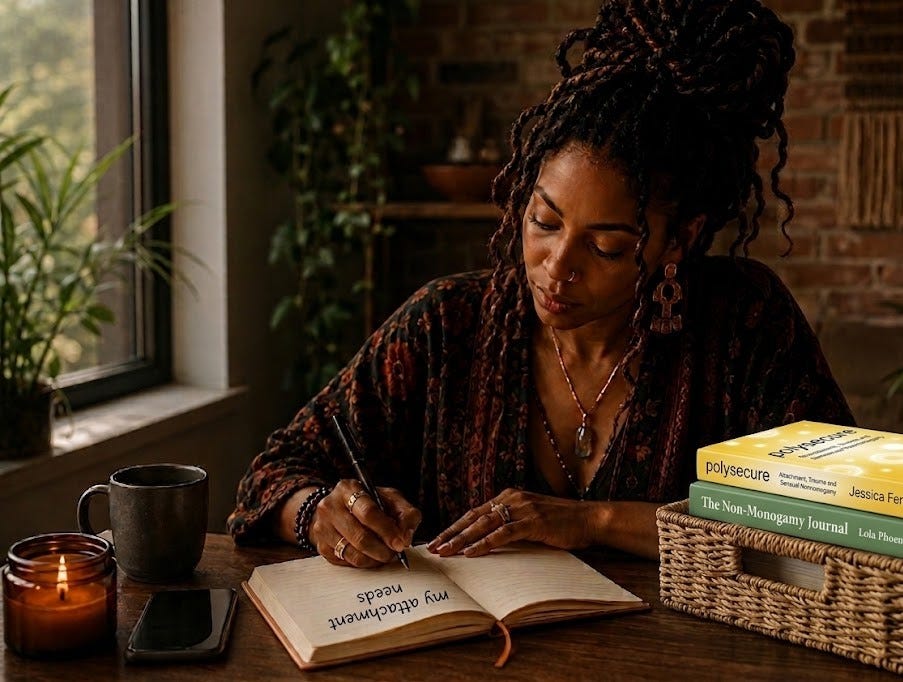
    Most people prep for polyamory like they're cramming for the bar exam. Polysecure, Polywise, the whole Jessica Fern shelf, hundreds of podcast episodes, a tidy agreement in a shared Google Doc. Then the first date actually happens, and by Sunday night the whole thing has caved in. The essay's point is that all that reading skips the step that does the real work. That step is differentiation: becoming a whole individual again before you try to love more than one person. The jealousy you were sure you understood from the safety of your own living room turns out to feel nothing like the real thing. And the panic underneath it is usually a codependency that monogamy culture trained into you in the first place. What we like is that it refuses the quick fix. You don't rescue an open relationship by queuing another podcast or tightening the rules. You do the slower, less flattering work on yourself first. The full practice sits behind the paywall, but the diagnosis on its own is worth the read.

    Read more →
    10 Practices for Healthy Hinge Relationships
    Polyamory
    Relationships
    Millie Boella

    10 Practices for Healthy Hinge Relationships

    In polyamory, the hinge is the person who connects two partners who aren't dating each other. This piece argues the role carries far more weight than it gets credit for. The hinge isn't just a link in a chain; they set the emotional culture for the whole polycule, and their daily choices either reproduce monogamous habits or quietly dismantle them. The hard part is that most of us arrive at polyamory carrying baggage: possessiveness, the assumption that the couple comes first, the scarcity myth that love is finite and one partner's gain is another's loss. A good hinge has to catch those reflexes in real time and choose differently, which is a skill rather than a personality trait. From there the post lays out ten concrete practices for doing it well. The list itself sits behind the paywall, but the framing is the useful part: treat hinging as something you practice and get better at, not a position you simply occupy.

    Read more →
    Polyamory is Not for Boys
    Polyamory
    Identity & Equality
    Politics
    Millie Boella

    Polyamory is Not for Boys

    The fear that opens this essay is a familiar one: that patriarchy will co-opt polyamory the way it hollowed out yoga, streetwear, and nearly every other countercultural thing it noticed. Then a celebrity breakup, Megan Thee Stallion leaving Klay Thompson after he tried to reframe cheating as non-monogamy, becomes the hook for the opposite argument. Patriarchy can't actually colonize polyamory, because the two are built on incompatible relationships to consent. The case is clean. Polyamory needs emotional vulnerability and genuine respect for women's autonomy, since informed consent is impossible without treating women as full people whose choices matter. Patriarchy trains men to avoid exactly that, to read vulnerability as weakness and sex as conquest rather than mutual connection. So the patriarchal man isn't being a bad polyamorist; he's structurally unable to do it. The piece then traces compulsory monogamy back to the agricultural shift, when lineage and inheritance turned women's sexuality into something to be managed. It's a sharp reframe: the thing patriarchy wants from polyamory is the one thing polyamory won't give it.

    Read more →
    What's Worse Than a Codependent Partner? A Codependent Metamour
    Polyamory
    Relationships
    Millie Boella

    What's Worse Than a Codependent Partner? A Codependent Metamour

    This one is half book review, half rewrite. The book is Page Turner's Dealing With Difficult Metamours, which sorts troublesome metamours into ten recognizable archetypes: people pleasers, drama llamas, control freaks, and so on. The review is fair about its strengths, since Turner leads with empathy and treats most difficult behavior as existing on a spectrum rather than as pure villainy. But the verdict is a qualified 3 out of 5. The archetypes are drawn too thinly, and the accountability section falls apart right where it's needed most, with no real mediation frameworks or hinge-specific tools for protecting yourself between metamours. As the saying goes, every metamour problem is a hinge problem, and the book doesn't equip the hinge. So the author writes the chapter she felt was missing: the codependent metamour. The full version, including a personal story about her worst metamour and how she stayed differentiated under pressure, is for paid subscribers. The diagnosis is clear enough on its own. The hardest polycule conflicts often trace back to someone trying, knowingly or not, to pull everyone into their orbit of control.

    Read more →
    Polyamorous Boundaries in a Culture of Codependency
    Polyamory
    Relationships
    Decolonization
    Millie Boella

    Polyamorous Boundaries in a Culture of Codependency

    The starting observation here is that our culture sells codependency as romance. 'You complete me,' 'I have nothing without you,' the brooding bad boy with no boundaries. The essay points out that these lines are marketed as devotion but actually describe mutual erasure, and that media leans on them because safety and regulation don't generate the same charge as mystery and a little fear. The problem is that this leaves most people genuinely confused about boundaries, conflating them with walls, control, or coldness. The author notes that boundaries only became a mainstream relational tool in the 1980s, so the culture is still catching up. In polyamory the stakes are higher, because responsible autonomy is central to the ethics: partners need agency, privacy, and fair decision-making while staying connected to several people at once. Writing as a Kenyan in Toronto who has never been monogamous, the author frames the full guide as her most complete answer to every boundary question she gets asked, from new-to-polyamory priorities to unlearning enmeshment in cultures where it's the norm. That guide is paywalled, but the core point stands alone. You can't do non-hierarchical polyamory without a real grasp of where you end and someone else begins.

    Read more →

    We use cookies to enhance your experience, analyze traffic, and serve relevant content.